

Where the Strait Sits and Why the Geometry Matters
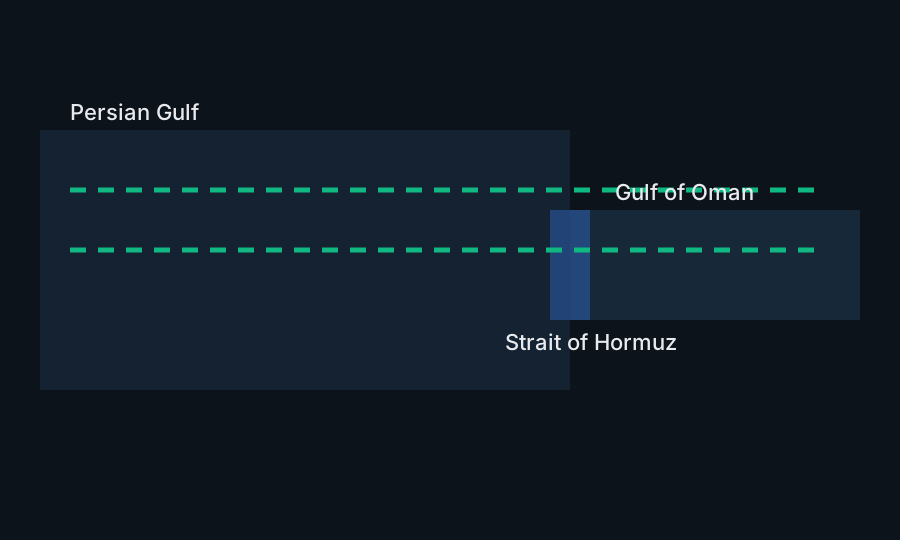
The Strait of Hormuz is the maritime outlet between the Persian Gulf and the Gulf of Oman, bordered by Iran to the north and Oman to the south. On a standard strategic map, it appears as a narrow corridor connecting concentrated hydrocarbon production zones to international sea lanes. Narrow geometry matters because it compresses maneuver space, increases congestion sensitivity, and magnifies the impact of localized incidents.
In chokepoints, perception can move faster than physical disruption. A reported threat, an escort incident, or a temporary route warning can lift insurance and freight costs within hours. For analysts, this means map interpretation must include commercial behavior, not just naval capability. The corridor's economic relevance is inseparable from its physical layout.
Lane Structure, Traffic Density, and Operational Fragility
Shipping flows through established lane logic designed to reduce collision risk and improve predictability. High-density traffic plus narrow routing creates fragility under stress. Even when vessels keep moving, minor delays and rerouting can propagate through refinery scheduling, tanker availability, and benchmark pricing expectations.
This is why "closure" should be treated as a spectrum. Full closure is one extreme; partial disruption, insurance withdrawal, convoy delays, and navigation advisories are intermediate states that can still carry major economic consequences. In many cases, markets react strongly to intermediate states long before physical throughput collapses.
| Disruption state | Shipping effect | Market effect |
|---|---|---|
| Routine transit | Predictable lane flow and normal insurance terms. | Prices reflect macro supply-demand dynamics. |
| Elevated incident risk | Higher premiums and cautious routing behavior. | Volatility and short-term risk premium growth. |
| Severe disruption attempt | Convoy dependence, delays, and reduced lane confidence. | Acute repricing and wider spread uncertainty. |
Legal Context: Transit Rights and Security Practice
Questions like "is the Strait of Hormuz international waters" often oversimplify legal reality. Practical navigation depends on territorial seas, transit passage norms, and security enforcement behavior. Legal frameworks shape expectations, but operational outcomes during crises are heavily influenced by military signaling and risk tolerance among commercial actors.
For this reason, legal interpretation should be paired with force posture monitoring. A legally open corridor can still experience de facto disruption through elevated threat perception and insurance constraints. Conversely, strong convoy and communication frameworks can stabilize a legally contested environment more effectively than formal statements alone.
Energy Transmission Mechanism: From Map Risk to Price Risk
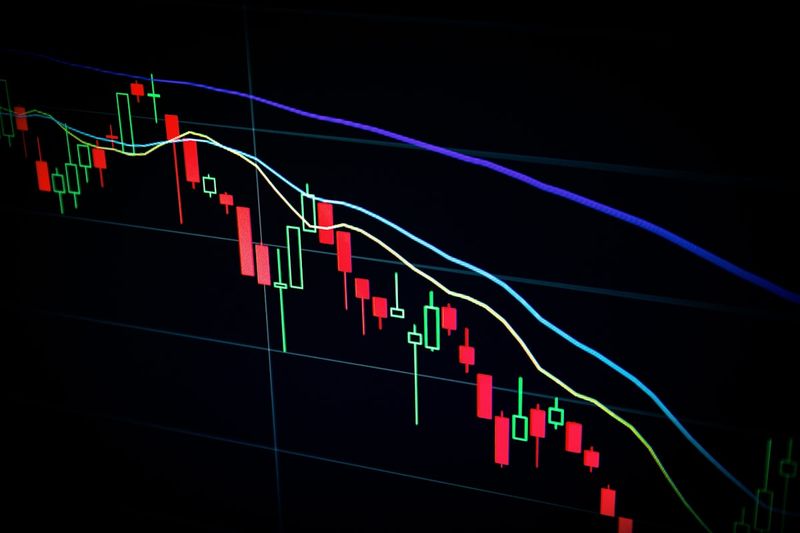
The energy impact chain usually runs in a consistent order. First, threat perception changes tanker and insurer behavior. Second, freight and premium costs rise. Third, benchmark prices incorporate expected delivery friction. Fourth, downstream consumers absorb higher import costs. This chain can unfold quickly even during short-lived security events.
Import-dependent economies with limited alternative routing options or refinery flexibility face the steepest short-run exposure. Economies with strategic reserves and diversified supply lines can absorb shocks longer, but they are still affected through benchmark repricing. For more detailed market modeling, see Iran oil production and Hormuz risk.
Scenario Matrix: No Incident, Limited Incident, or Multi-Day Crisis
Scenario discipline improves map-based analysis by translating geography into actionable risk bands. Instead of a binary open/closed framework, analysts should model incident intensity, duration, and response quality together.
| Scenario | Trigger pattern | Likely shipping response | Likely policy response |
|---|---|---|---|
| No incident baseline | Routine naval signaling and normal traffic. | Standard routing behavior. | Monitoring and deterrence posture maintenance. |
| Limited incident cycle | Isolated events with contained security response. | Temporary premium spikes and selective route caution. | Diplomatic messaging plus targeted naval reassurance. |
| Multi-day crisis | Repeated incidents and uncertain escalation control. | High premiums, delays, and convoy dependence. | Emergency coalition coordination and market-stabilization tools. |
Map-based scenario outputs are most useful when combined with the US base network map and attack-risk channels.
Monitoring Framework: Indicators to Track Weekly
A weekly Hormuz monitoring framework should include five indicators: maritime incident count, insurer risk-premium trend, convoy or escort requirement changes, official escalation language, and tanker-delay metrics. These indicators capture both security and commercial dynamics and provide earlier warning than retrospective price charts alone.
This framework also supports cross-linking with broader regional analysis. Naval postures in the strait interact with diplomatic progress, proxy activity, and missile signaling elsewhere. The map is therefore not just a geography tool; it is a system map for multi-domain risk transmission.
FAQ: Strait of Hormuz on a Map
Where is the Strait of Hormuz on a map?
It lies between Iran and Oman, connecting the Persian Gulf with the Gulf of Oman and wider Arabian Sea routes.
Has the strait ever been fully closed for long?
A prolonged full closure has not held in modern periods, but recurring incidents have repeatedly stressed traffic confidence.
Why do oil prices react so quickly to Hormuz risk?
Because freight and insurance markets reprice rapidly when route security confidence falls, often before physical shortages occur.