What are Iran proxy groups in the Middle East?
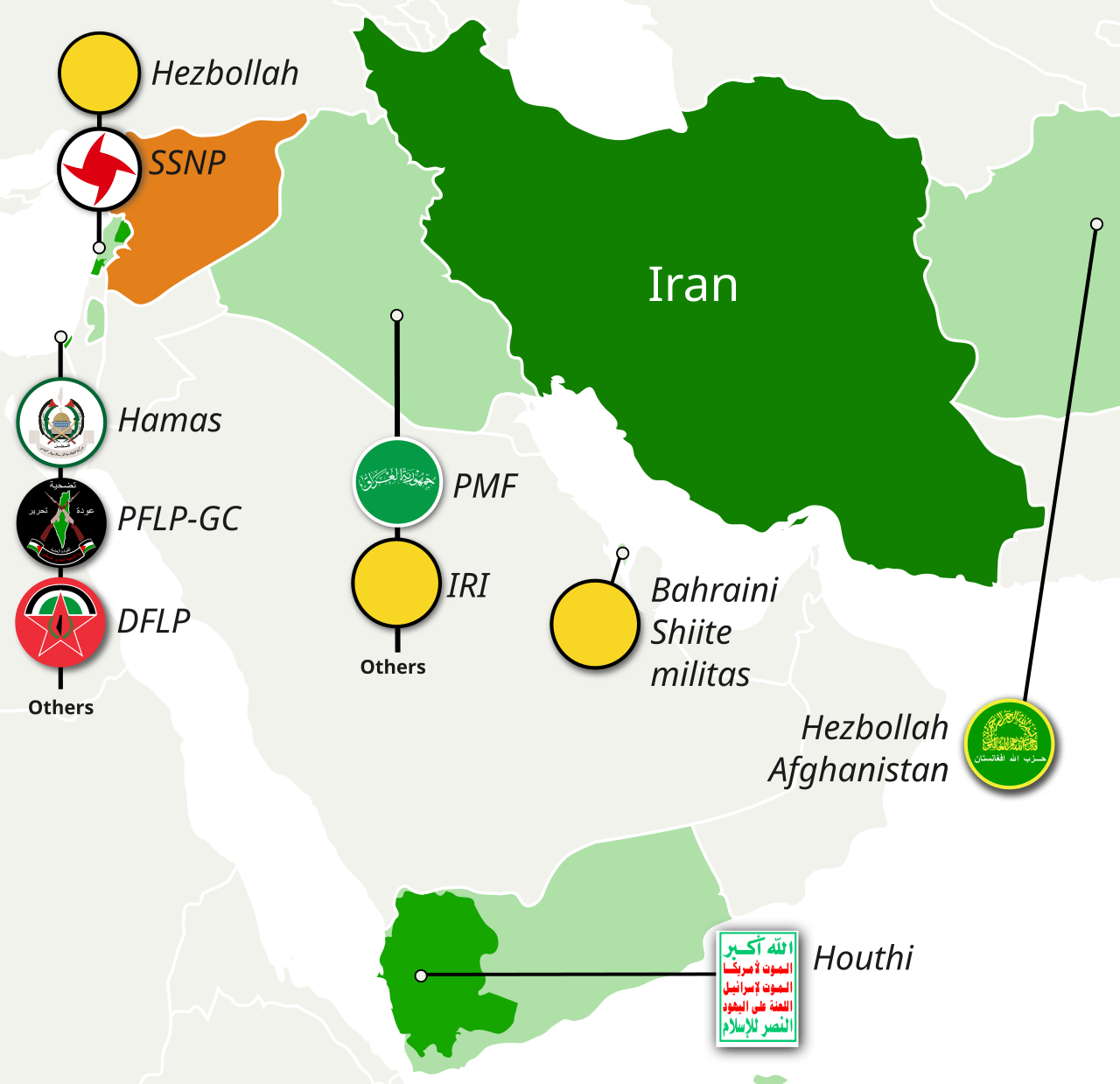
Iran proxy groups in the Middle East are non-state armed organizations and partner formations that receive varying combinations of material support, training, intelligence, political backing, or strategic coordination from Tehran. The phrase sounds singular, but in practice it describes a loose network with uneven command relationships and different local priorities. Some groups are deeply institutionalized and politically embedded inside their home states; others operate through looser coalitions where tactical decisions can diverge from Iranian preferences.
The most common analytic mistake is to assume a fixed command tree where every action is centrally ordered from Tehran. Open-source evidence from conflict cycles shows a more complex pattern: strategic guidance can be centralized, while operational tempo is often locally adapted. This is why one theater can cool down while another heats up in the same week. In other words, networked alignment does not guarantee synchronized execution.
For readers who want the force-balance baseline behind this network, start with our Iran military strength briefing and Iran weapons systems guide. Those pages explain how conventional limits make proxy warfare and deniable coercion attractive tools in Iran's broader deterrence model.
| Network layer | Typical relationship | Operational effect |
|---|---|---|
| Core strategic partner | Long-term ties, structured support, high signaling value | Can sustain prolonged pressure and deterrence messaging. |
| Theater coalition node | Shared adversary focus with variable cohesion | Higher unpredictability, faster tactical swings. |
| Ad hoc support channel | Intermittent or opportunistic coordination | Useful for disruption, weak for sustained campaigns. |
How is the Iran proxy network structured across Lebanon, Iraq, Syria, and Yemen?
A practical way to model the network is by theater function. Lebanon is the high-capability deterrence layer. Iraq is the force-protection and pressure layer around U.S. presence and domestic Iraqi politics. Syria is a logistics and influence corridor shaped by shifting territorial control. Yemen is a maritime-disruption and long-range harassment layer with outsized effects on shipping routes and insurance pricing.
This distribution creates strategic redundancy. Pressure in one theater can be dialed up while another is held at lower intensity, which complicates adversary planning. It also creates coordination friction because each theater has different political constraints, local legitimacy dynamics, and command personalities. When crisis conditions intensify, these frictions can either dampen escalation or accidentally accelerate it.
From a policy perspective, network structure matters more than headline volume. A week with fewer incidents can still be more dangerous if attacks are moving toward higher-value targets or if multiple theaters show synchronized signaling. That is why serious monitoring uses a cross-theater dashboard rather than a simple attack count.

For geography that links these theaters, review our Persian Gulf map, Gulf of Aden map, and Suez Canal map references.
Why is Hezbollah usually assessed as Iran's strongest proxy partner?
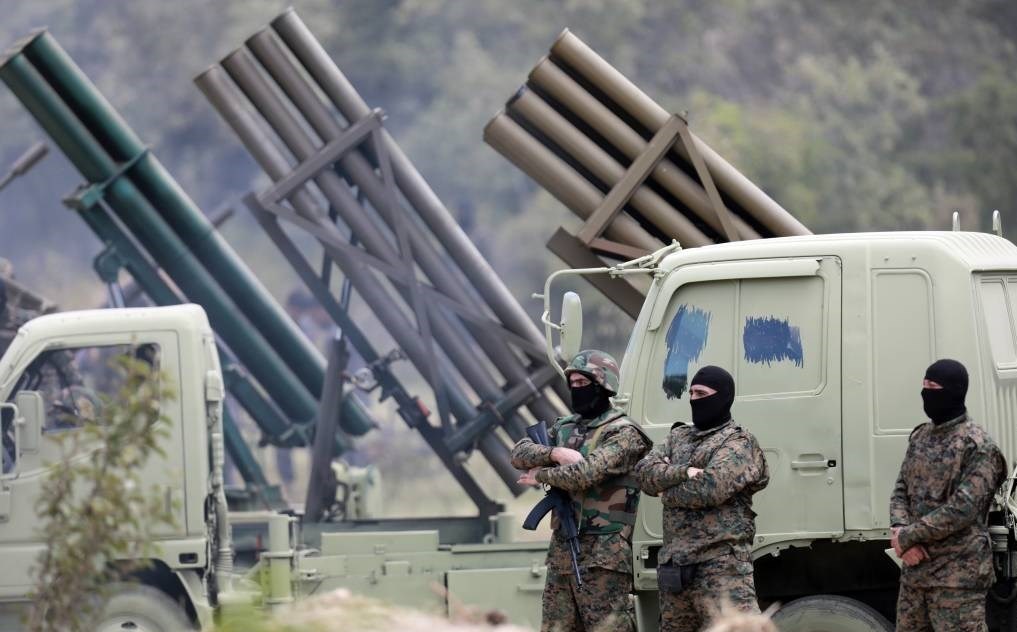
Hezbollah is widely assessed as the most mature element in Iran's broader proxy ecosystem because it combines military capability, institutional continuity, domestic political integration, and long-cycle deterrence planning. It is not just a militia with rockets; it is an organization with command routines, logistics discipline, and state-adjacent influence. That makes it strategically different from looser coalitions that depend on fragile alliances and short-term operational momentum.
In escalation modeling, Hezbollah's importance comes from depth and survivability. Force structure, launch infrastructure, and hardened organizational culture create a durable deterrence signal even when tactical losses occur. This does not imply unlimited freedom of action. It does mean the group can sustain multi-week or multi-month pressure more credibly than smaller, fragmented formations.
The second point is political-military coupling. Because Hezbollah operates inside Lebanon's domestic context, it must continuously balance regional signaling with local legitimacy and economic pressures. That balance can moderate or delay escalation in some periods, but it can also harden response logic after high-casualty triggers. Analysts who ignore domestic constraints often misread intent from single incidents.
| Assessment variable | Why it matters | Risk implication |
|---|---|---|
| Command continuity | Supports disciplined campaign pacing | Lowers random noise, raises sustained-pressure potential. |
| Inventory depth | Enables repeated strike cycles | Extends deterrence contests over time. |
| Political embedding | Creates both constraints and resilience | Can slow action or lock in retaliation after severe shocks. |
How do Iraqi militias, Syria corridors, and Houthi forces change regional escalation math?
Iraq: deniable pressure near U.S. force posture
Iraqi armed factions linked to the broader "Islamic Resistance in Iraq" label can impose recurring pressure on U.S. positions and logistics nodes, but cohesion varies by faction and period. This variability is central to risk forecasting. During high-tension windows, distributed attacks can generate cumulative pressure even if no single group shows Hezbollah-level organization. During lower-tension periods, local political competition can reduce discipline and create mixed signaling.
This theater matters because it intersects with U.S. basing and force-protection decisions. For regional context, see our map of U.S. military bases in the Middle East. Geographic proximity means small shifts in militia activity can quickly alter deterrence signaling and retaliation thresholds.
Syria: logistics and influence corridor under contested control
Syria remains important as a transit and influence corridor connecting different network elements. Control is fragmented and fluid, so supply reliability and movement security can fluctuate with local dynamics. This creates a paradox: the corridor is strategically valuable, yet operationally exposed to interdiction and political shocks. That exposure affects how quickly support can be surged during crises.
Another overlooked factor is diplomatic weather. When great-power friction increases in Syria, indirect actors face tighter maneuver space and higher attribution risk. That can force network adaptation away from visible movement and toward lower-signature support channels.
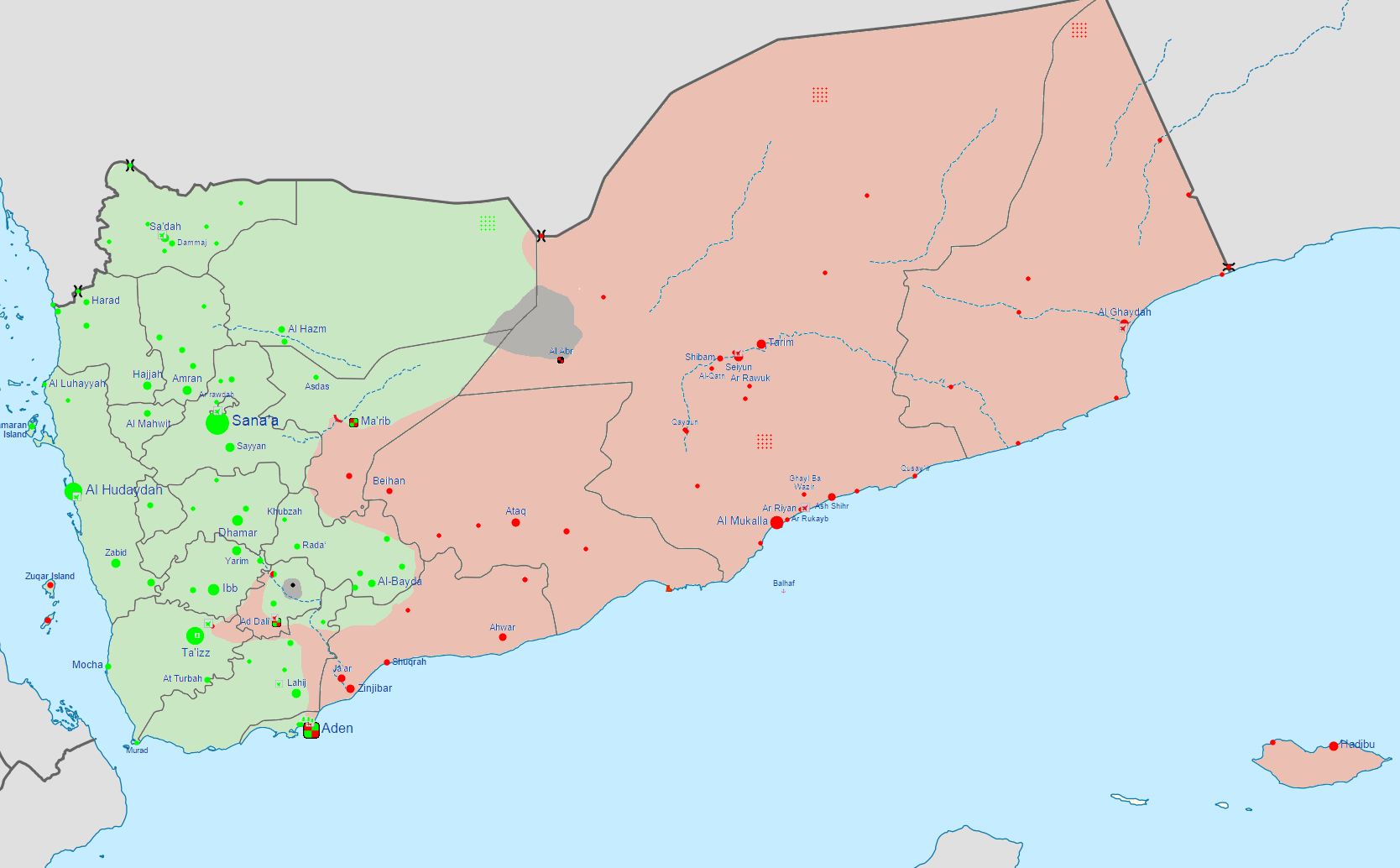
Yemen: maritime disruption with global market spillover
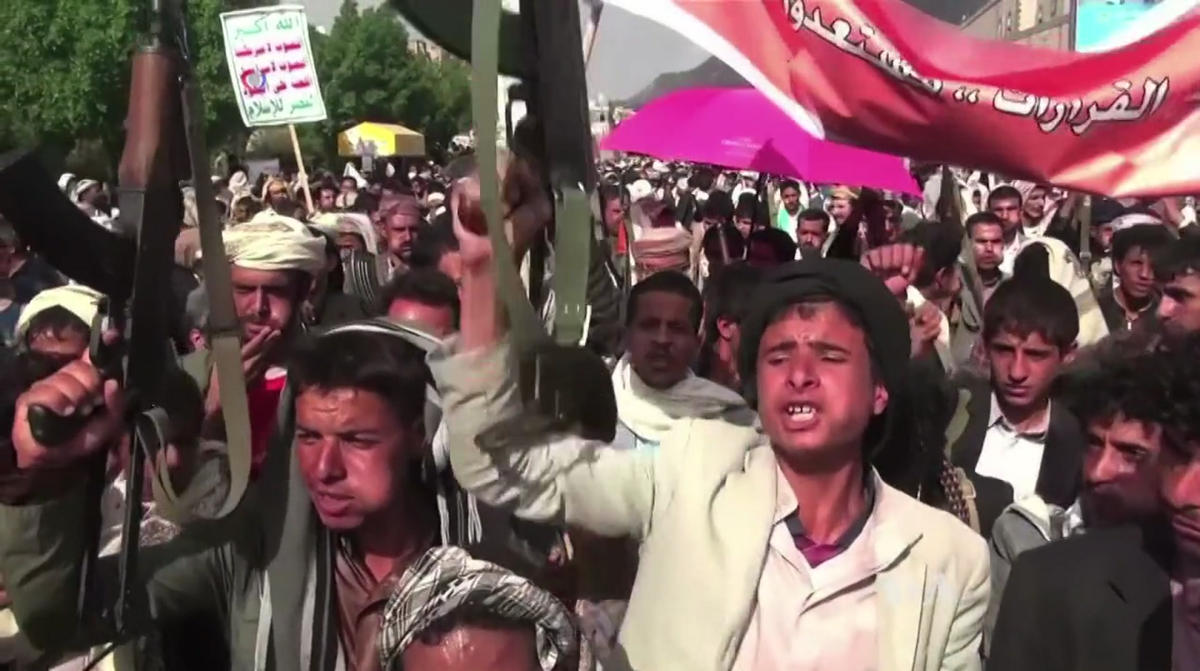
Houthi capabilities have changed the risk profile of Red Sea and Bab el-Mandeb traffic by demonstrating that relatively low-cost strike systems can impose high insurance and routing costs. This is why maritime indicators belong in any proxy-risk dashboard even when land theaters dominate headlines. Short disruption episodes can still move freight economics and strategic messaging.
For market consequences, connect this section with our oil and Hormuz risk analysis. Maritime pressure in one corridor can reshape risk pricing across wider energy routes, especially when traders fear synchronized disruptions.
How does Iran fund and sustain proxy warfare over time?
Iranian support architecture should be treated as multi-channel and adaptive rather than a single cash pipeline. Open reporting and policy assessments indicate combinations of direct funding, equipment transfer, technical advice, training pipelines, local partner revenue systems, and political cover. Sanctions can reduce throughput or increase transaction cost, but they often produce substitution effects where logistics paths change rather than disappear.
Logistics durability depends on three factors: route resilience, inventory prepositioning, and technical maintenance capacity. If one of these erodes, proxy operational tempo usually drops before strategic messaging admits weakness. Analysts should therefore watch repair cycles, launch sophistication, and consistency of attack profiles. Declining technical quality can signal supply stress even when rhetoric remains maximalist.
A second issue is local financing autonomy. Some groups develop internal revenue ecosystems that reduce direct dependence on external transfers. That can increase operational persistence but also reduce central control, especially under rapid escalation. In other words, autonomy can strengthen durability while complicating strategic coherence.
| Support mechanism | Strength | Primary vulnerability |
|---|---|---|
| Direct transfers | Fast and targeted when channels are open | Financial surveillance and sanctions enforcement. |
| In-kind weapons and parts | Immediate tactical value | Interdiction and technical bottlenecks. |
| Training/advisory support | Long-term force quality gains | Time lag and exposure of training nodes. |
| Local revenue streams | Persistence under external pressure | Lower external control and factional divergence. |
For deeper baseline on state-level constraints affecting this model, see our nuclear talks analysis and US-Iran-Israel triangle briefing, where sanctions pressure and diplomatic off-ramps are discussed as strategic variables.
Could Iran proxy groups trigger a wider regional war?
Yes, and the pathway is usually cumulative rather than instantaneous. Wider war risk rises when repeated attacks produce strategic casualties, force major retaliation, and remove diplomatic buffer time. The key warning sign is cross-theater coupling: incidents in Lebanon, Iraq, and maritime corridors occurring in the same 72-hour window can overwhelm crisis-management channels.
Another driver is target class escalation. Risk changes qualitatively when attacks shift from symbolic or peripheral targets toward critical infrastructure, senior command nodes, or high-visibility civilian shipping routes. This target migration often triggers stronger domestic political pressure on states to respond decisively, reducing room for calibrated retaliation.
Timing effects also matter. Escalation is harder to contain when incidents align with political transition periods, high-salience anniversaries, or negotiation breakdowns. Under these conditions, actors face higher audience costs for restraint. That does not make war inevitable, but it does raise the probability of rapid miscalculation.
Best-practice forecasting treats proxy incidents as part of a campaign sequence, not isolated events. Sequence analysis reveals whether actors are signaling, probing, or preparing for sustained confrontation.
Three practical escalation scenarios
| Scenario | Description | Estimated implication |
|---|---|---|
| Managed friction | Recurring proxy attacks with bounded retaliation and active backchannels. | High volatility, but strategic war still avoidable. |
| Cascade retaliation | Multiple theaters heat simultaneously after a high-casualty strike. | Rapid expansion risk; diplomatic windows compress sharply. |
| Deterrence reset | One side executes major response designed to restore long-term thresholds. | Short-term spike followed by uncertain stabilization path. |
What indicators should analysts track weekly for proxy escalation risk?
A useful dashboard combines operational, political, and market signals. On the operational side, track attack frequency by theater, target class, and claimed attribution style. On the political side, track leadership messaging consistency, emergency diplomatic activity, and legislative rhetoric in key capitals. On the market side, watch freight insurance commentary, rerouting behavior, and energy-risk premia around chokepoints.
The most informative pattern is convergence across categories. If attack sophistication rises while diplomatic contact falls and shipping risk indicators move upward, escalation probability is materially higher than headline volume alone suggests. Conversely, noisy rhetoric with stable operational and market signals may indicate controlled signaling rather than imminent spillover.
This is where historical context helps. Compare weekly signals against baselines from prior episodes in our US-Iran conflict timeline. Sequence comparisons reduce recency bias and make it easier to separate routine friction from genuinely abnormal escalation.
| Indicator bucket | Example signal | Interpretation rule |
|---|---|---|
| Operational | Higher strike complexity or coordinated timing | Suggests stronger planning and possible campaign intent. |
| Political | Reduced backchannel reporting, harder public messaging | Indicates shrinking off-ramp bandwidth. |
| Market | Insurance premium spikes, route diversions | Signals real-world expectation of elevated risk. |
| Cross-theater coupling | Parallel incidents in 2-3 theaters | Most dangerous pattern for rapid escalation. |
People also ask about Iran-backed militias
What are Iran proxy groups in the Middle East?
They are partner armed actors with varying degrees of Iranian support across financing, training, logistics, and political signaling. The network is uneven by theater, so threat assessments should be group-specific rather than generic.
Which proxy group is strongest for Iran?
Hezbollah is usually assessed as the strongest partner due to mature command continuity, inventory depth, and political-military integration. Other groups can still generate strategic effects through maritime disruption or force-protection pressure.
How does Iran fund proxy groups?
Support can include direct funding, weapons supply, technical support, and facilitation through local revenue structures. Sanctions and interdictions alter channels, but adaptive logistics often preserve some level of support.
Could proxy attacks trigger direct state conflict?
Yes, especially when attacks hit high-value targets, create mass-casualty events, or occur in synchronized waves across several theaters. Escalation risk increases when diplomatic backchannels are weak or politically constrained.
How should policymakers monitor this network?
Use a weekly dashboard that combines incident quality, attribution consistency, diplomatic contact frequency, and market indicators like insurance and routing behavior. Cross-theater signal convergence is the strongest warning sign.
FAQ: Iran proxy groups in Middle East
Are all Iran-backed militias directly commanded by Tehran?
No. Some groups coordinate closely, while others retain substantial local decision autonomy. Strategic alignment can exist without real-time centralized operational control.
Why does proxy warfare remain central to Iran's regional strategy?
Proxy warfare offers deterrence leverage and deniability at lower direct military cost than open conventional confrontation. It also allows theater-by-theater pressure calibration.
Which theater currently has the highest spillover potential?
Maritime corridors linked to Yemen and the Red Sea often produce rapid global economic spillovers, while Lebanon and Iraq remain central to military escalation pathways.
Can diplomacy reduce proxy escalation risk without a full regional deal?
Yes. Even partial deconfliction channels can lower miscalculation probability by restoring communication during high-friction windows.