
Is Oman an ally of Iran or a neutral state?
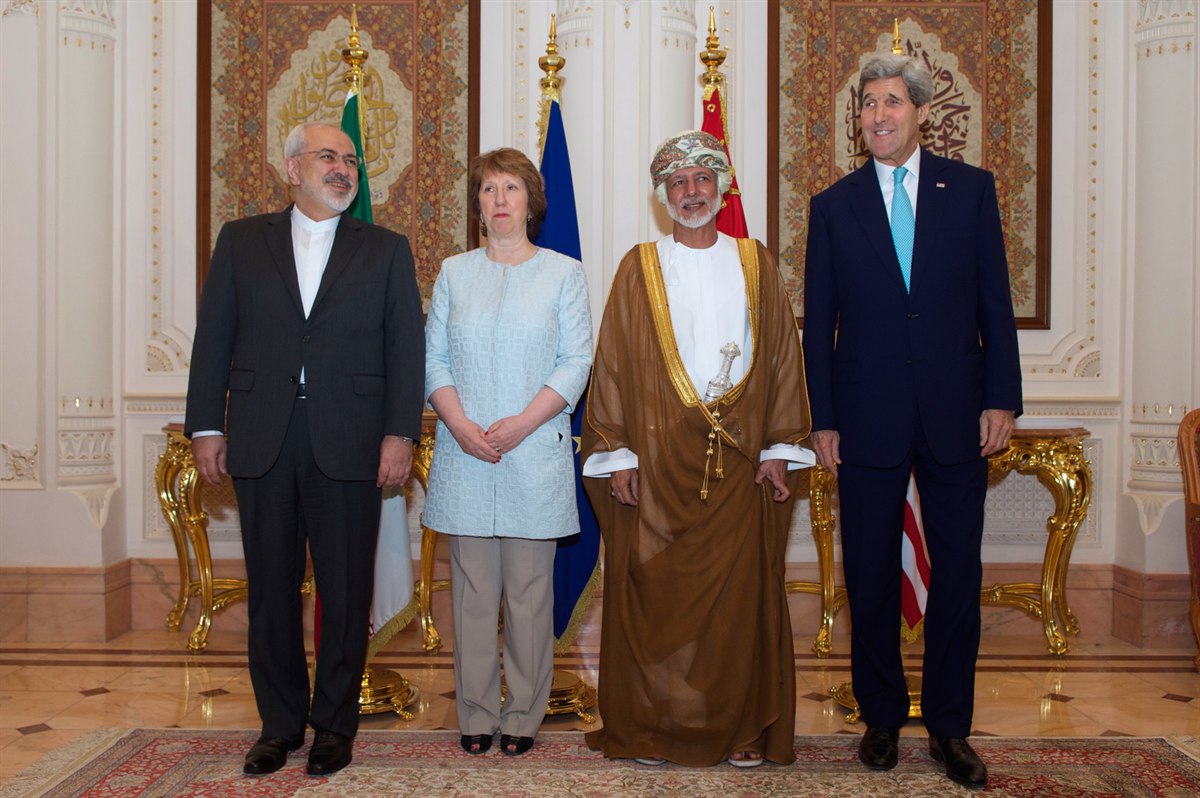
The short answer is that Oman is not a formal ally of Iran. There is no public mutual-defense treaty, no integrated command architecture, and no legal obligation for Muscat to fight on Tehran's behalf. Oman instead operates an armed-neutral strategy: keep working channels with Iran open, maintain defense ties with Western partners, and reduce regional escalation that could threaten Omani sovereignty and trade lifelines. That is why policy observers often see Oman acting as a mediator in Iran crises while still coordinating security with countries that oppose Iranian regional behavior.
This distinction matters because alliance language can obscure real risk mechanics. A treaty ally usually accepts durable burden-sharing obligations in war planning, logistics, and force posture. Oman has chosen a different model for decades. Its foreign policy focuses on preserving maneuver space between rival blocs and translating diplomatic access into conflict de-escalation when possible. In practice, that means Oman can host U.S.-Iran channels, preserve bilateral ties with Tehran during tense periods, and still avoid public commitment to Iranian military aims.
| Alliance test | Observed Oman-Iran baseline | Interpretation |
|---|---|---|
| Mutual defense treaty | No public treaty obligation. | No formal alliance classification. |
| Integrated wartime command | No shared integrated command structure. | Coordination exists, but not military union. |
| Automatic war support | Oman behavior centers on de-escalation and mediation. | Policy is neutrality-first, not bloc alignment. |
For context on how this fits wider Gulf competition, compare this page with the Saudi-Iran assessment, the Qatar-Iran assessment, and the US-Iran-Israel triangle briefing.
Why does Oman keep working ties with Iran when many neighbors do not?
Oman's strategic geography drives its policy logic. Muscat sits beside the Strait of Hormuz through Musandam, directly exposed to shipping and military spillover. Because corridor disruption can quickly hit energy flows, insurance costs, and domestic economic confidence, Omani leaders have long prioritized communication channels over public confrontation. This does not mean Oman endorses Iranian regional tactics. It means Muscat's risk calculus favors early diplomatic contact and crisis deconfliction when escalation would otherwise impose immediate costs on Omani territory and trade routes.
Historical precedent reinforces this approach. Oman has repeatedly preserved diplomatic ties across regional splits where other states severed channels. That continuity built trust capital with Tehran and with external powers seeking intermediaries. During nuclear diplomacy cycles, Muscat was often used as a discreet venue because both sides viewed Oman as serious, pragmatic, and relatively non-ideological. The United States Institute of Peace and major wire reporting have repeatedly noted Oman's role in facilitating communication in periods when direct dialogue was politically difficult.
The second driver is policy design. Omani foreign policy is built around strategic autonomy rather than coalition maximalism. Autonomy requires broad diplomatic access, diversified partnerships, and language that lowers the chance of forced alignment. As a result, Muscat can maintain pragmatic relations with Tehran while still engaging U.S., UK, and GCC security frameworks. The policy appears contradictory only if one assumes Gulf states must choose either full anti-Iran confrontation or full Iran alignment. Oman has tried to institutionalize a third path.
Are Oman and Iran military allies in practice?
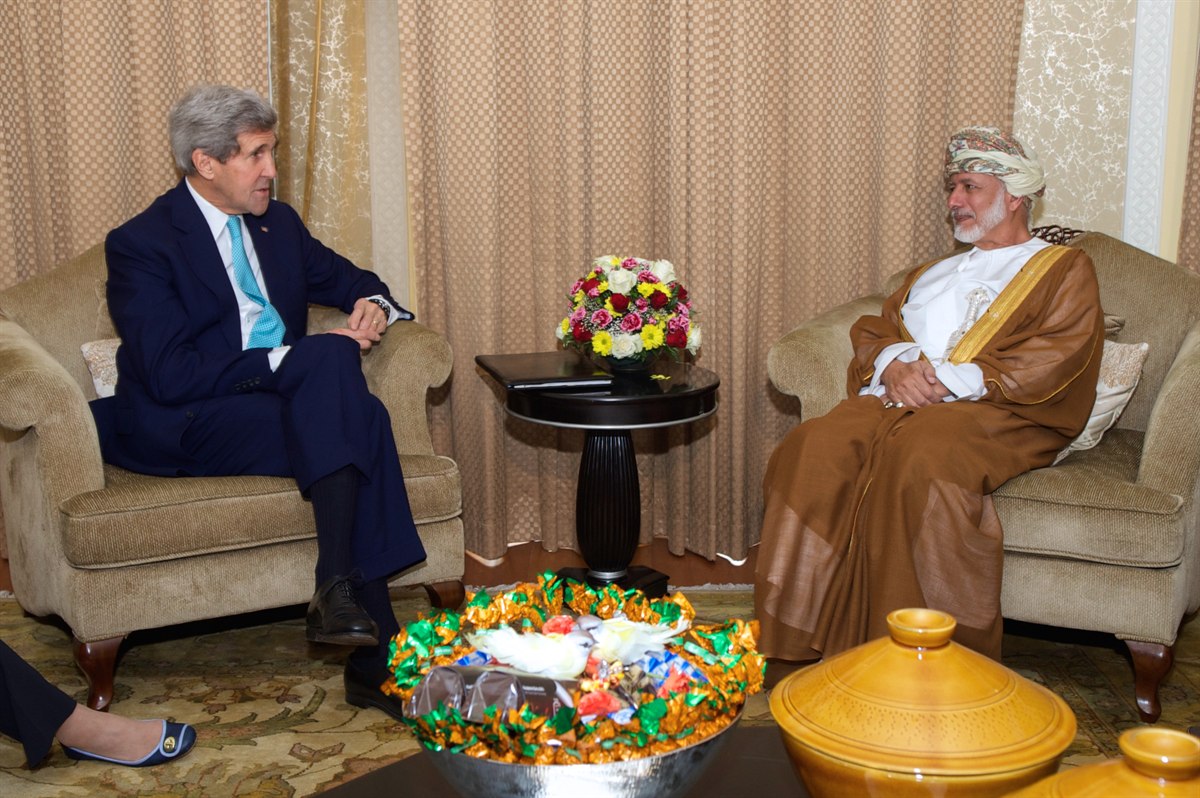
They are not military allies in the treaty sense, but they are not strategic strangers either. Oman and Iran maintain defense contacts and maritime communication mechanisms because both have direct exposure to Gulf sea-lane incidents. Those mechanisms can lower miscalculation risk in narrow waterways and reduce accidental escalation. However, deconfliction should not be mistaken for shared military doctrine. Oman has not publicly committed to Iranian force objectives, and Iran is not embedded in Oman's defense command architecture.
Oman also keeps longstanding security relationships with Western partners. Publicly available U.S. policy materials on U.S.-Oman relations describe defense cooperation and access arrangements that coexist with Oman's Iran dialogue. That dual track is central to understanding Muscat's strategy. Oman is trying to prevent its territory from becoming either an anti-Iran launchpad or an Iranian-forward security node. The government preference is deterrence plus diplomacy, not alliance absorption by any side.
To classify Oman as an Iranian military ally, analysts would need stronger indicators than occasional joint exercises or senior-level meetings. High-confidence alliance indicators would include a formal defense pact, standing combined command elements, and explicit mutual war obligations. Those indicators are absent. The more accurate description is selective maritime and security contact under a neutrality framework.
| Security signal | Current pattern | Analytical meaning |
|---|---|---|
| Routine bilateral defense meetings | Present, episodic, issue-driven. | Communication channel, not alliance treaty. |
| Joint command integration | No public evidence of integrated command. | Low alliance depth. |
| Public war-commitment language | Oman messaging emphasizes restraint and diplomacy. | Neutrality preference remains active. |
This same pattern appears in other pages where formal alignment is often assumed but not evidenced, including Turkey-Iran ties and Russia-Iran ties.
Why does Oman mediate between Iran and the United States?
Muscat mediates because it has both incentives and credibility. The incentive is straightforward: a major Iran-centered conflict would put Omani ports, sea lanes, and economic stability under direct pressure. The credibility comes from long practice in quiet diplomacy, careful public messaging, and a record of maintaining dialogue with adversarial actors simultaneously. In short, Oman can carry messages that others cannot because all sides believe Muscat will prioritize process discipline over public point-scoring.
Mediation is often misunderstood as political alignment with one side. In reality, mediators typically preserve relevance by remaining useful to multiple sides at once. Oman's approach fits this profile. It has hosted and facilitated Iran-related contacts while keeping ties with U.S. and European partners, and it has often emphasized de-escalation language even when regional rhetoric shifted toward confrontation. This is a strategy of controlled ambiguity: enough trust with Tehran for access, enough trust with Western capitals for channel legitimacy.
For risk assessment, the key question is not whether Oman likes Iran's regional posture. The key question is whether Muscat's mediation function still works during crisis windows. If mediation succeeds, shipping and energy risk can normalize faster. If mediation fails, the system can move from limited incident cycles to broader regional confrontation. That transition risk connects this page directly to the Strait of Hormuz map briefing and the oil-market transmission model.
Do Oman-Iran trade and energy ties mean strategic alignment?
Not necessarily. Economic ties can reflect geography and risk management without implying defense alignment. Oman and Iran share maritime proximity, port interdependence, and private-sector incentives to keep commerce functioning despite sanctions volatility and regional tension. Statements from Omani and Iranian commercial forums have referenced ambitions for larger bilateral trade volumes, but stated ambitions and strategic alignment are different variables. Trade can rise while military trust remains limited.
Energy geography intensifies this distinction. The Gulf of Oman and Hormuz corridor remain central to global hydrocarbon flows, so even limited disruption changes freight pricing and risk premiums quickly. The U.S. Energy Information Administration's chokepoint analysis notes that the Strait of Hormuz handles a very large share of seaborne oil trade, which makes communication between littoral states, including Oman and Iran, operationally valuable even when strategic trust is incomplete.
For Oman, economic pragmatism therefore supports two tracks simultaneously: maintain practical ties with Iran where useful, and maintain external security and investment relationships that reduce single-partner dependence. This is classic hedging behavior. Analysts who treat every commercial agreement as alliance evidence usually overstate convergence and understate autonomy.
| Economic dimension | Observed tendency | Alliance implication |
|---|---|---|
| Bilateral trade initiatives | Periodic expansion targets and business delegations. | Economic pragmatism, not automatic military alignment. |
| Maritime corridor interdependence | Shared interest in avoiding prolonged shipping shocks. | Functional cooperation under high systemic risk. |
| External investment balancing | Oman continues multi-partner diversification. | Autonomy strategy remains core doctrine. |
How do Oman-Iran ties affect Strait of Hormuz security?
Because both states border the Hormuz system, their communication channels can reduce accidental escalation around civilian shipping. In constrained waterways, tactical misreads can propagate quickly into strategic incidents. Direct contact, maritime signaling, and crisis hotline behavior can therefore create stabilization value even between states that do not share alliance goals. Oman has strong incentives to preserve this function, since disruption affects domestic logistics, regional confidence, and export-linked revenue chains.
That said, Oman-Iran communication does not guarantee corridor stability. The strait's security is influenced by broader military postures involving multiple navies, regional rivalries, and escalation cycles tied to conflicts beyond Oman-Iran bilateral relations. This means analysts should model Oman as a risk dampener, not a risk controller. Muscat can help lower temperature, but it cannot unilaterally neutralize every threat pathway in a multi-actor battlespace.
A sound framework combines bilateral indicators with theater indicators. Bilateral indicators include the tone of official Oman-Iran exchanges, continuity of diplomatic meetings, and incident deconfliction. Theater indicators include vessel rerouting behavior, insurance-market repricing, and military signaling around chokepoints such as Hormuz, Bab el-Mandeb, and Suez. Readers can map that broader chain through Persian Gulf map, Gulf of Aden map, and Bab el-Mandeb map.
Would Oman support Iran in a direct regional war?
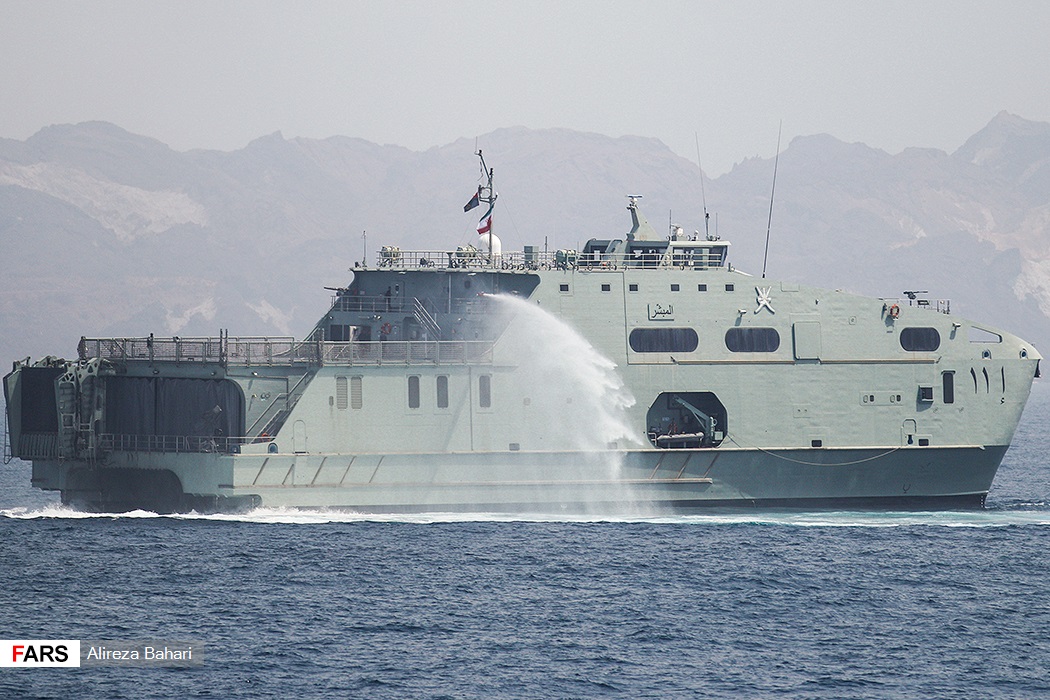
Current behavior suggests Oman would not join Iran's military campaign as an ally. Muscat's policy incentives favor territorial defense, conflict containment, and diplomacy-first signaling. Entering a bloc war would contradict Oman's long-standing strategy, increase domestic and economic exposure, and reduce the mediation leverage that gives Oman regional relevance. The more probable response in a direct war is intensified de-escalation diplomacy combined with hardening of domestic security and maritime continuity measures.
Scenario planning is still necessary because neutrality is not passivity. Under severe escalation, Oman may tighten airspace rules, adjust port operations, coordinate with partners on defensive measures, and manage transit risk around critical sea lanes. Those actions can look like alignment if read superficially, but they are often sovereignty-protection steps rather than alliance commitments. Analysts should separate defensive self-protection from offensive coalition participation.
The alliance classification should only shift if multiple high-threshold indicators appear together: explicit treaty language, public military burden-sharing commitments, and persistent operational integration in war planning. Without those indicators, Muscat remains best categorized as a neutral balancing state with active channels to Iran and the West.
| Scenario | Most likely Oman posture | What would change classification |
|---|---|---|
| Limited regional flare-up | Mediation push, maritime caution, diplomatic signaling. | No classification change. |
| Sustained Iran-centered conflict | Defensive hardening and de-escalation diplomacy. | Still neutral unless formal war commitments emerge. |
| Formalized Oman-Iran defense pact | Would represent strategic doctrine break. | Reclassify as alliance alignment. |
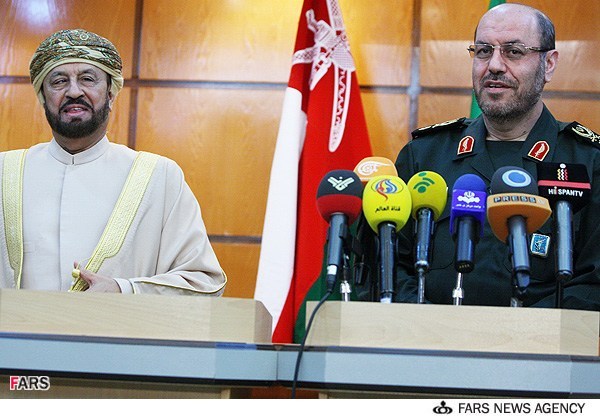
How to track whether Oman is moving closer to Iran over the next 12 months
1. Treaty and doctrine signals
Watch for formal defense language, ratified security pacts, or standing combined command mechanisms. These are rare and high-confidence indicators of alignment shift.
2. Crisis behavior consistency
In escalation windows, compare Omani public messaging with operational behavior. If neutrality rhetoric persists but operational actions repeatedly favor one war camp, reassessment is warranted.
3. Maritime deconfliction depth
Routine deconfliction is normal. A deeper shift would involve durable joint enforcement structures or long-term security dependence that constrains Omani policy autonomy.
4. Economic concentration risk
Track whether Oman diversifies or concentrates external economic exposure. Rising concentration with Iran and declining diversification would increase strategic dependency risk.
5. Diplomatic channel utility
If Oman ceases to be accepted as a mediator by major actors, it may indicate strategic repositioning. Continued mediator acceptance usually reinforces neutrality classification.
| Indicator bucket | Neutrality-consistent signal | Alignment-shift signal |
|---|---|---|
| Defense legal architecture | No mutual-defense treaty. | Formal ratified defense obligations. |
| Crisis operations | Defensive self-protection and mediation. | Offensive burden-sharing with Iran. |
| Economic posture | Multi-partner diversification continues. | Dependence concentrates around one partner. |
| Diplomatic role | Muscat remains accepted intermediary. | Mediator role collapses into bloc behavior. |
People also ask about is oman an ally of iran
Are Oman and Iran allies?
Not in a formal military sense. They maintain pragmatic ties and regular diplomatic access, but no treaty-level alliance obligations.
Why does Oman mediate between Iran and the US?
Because Muscat has trusted communication channels with both sides and strong incentives to prevent Gulf escalation that could damage maritime stability.
Would Oman fight for Iran in a war?
Current policy patterns point to de-escalation, neutrality signaling, and defensive sovereignty measures rather than coalition war participation.
Do Oman-Iran trade ties prove strategic alignment?
No. Trade reflects geography and pragmatism; alliance status requires formal defense commitments and sustained military integration.
How important is the Strait of Hormuz to this relationship?
It is central. Shared exposure to Hormuz gives both states incentives to preserve communication, even when wider regional politics are adversarial.
FAQ: is oman an ally of iran
Is Oman legally required to defend Iran?
No public treaty imposes that requirement. Oman's policy baseline is sovereign defense and diplomatic conflict management, not automatic war entry for Tehran.
Can Oman be close to Iran and still work with the United States?
Yes. Oman's strategy is to preserve multi-vector relationships so it can reduce regional escalation risk and protect national autonomy in volatile security cycles.
What is the strongest evidence that Oman is still neutral?
Its repeated mediator role, de-escalation messaging, and lack of treaty-level military commitments with Iran are the clearest neutrality indicators.
What evidence would show Oman is becoming an Iranian ally?
A public defense pact, integrated command structures, and sustained military burden-sharing in Iranian campaigns would constitute a real alignment shift.
How should analysts monitor this question month to month?
Track treaty language, crisis behavior, maritime incident response, and diversification trends together. Single headlines are weaker than multi-indicator trend changes.