
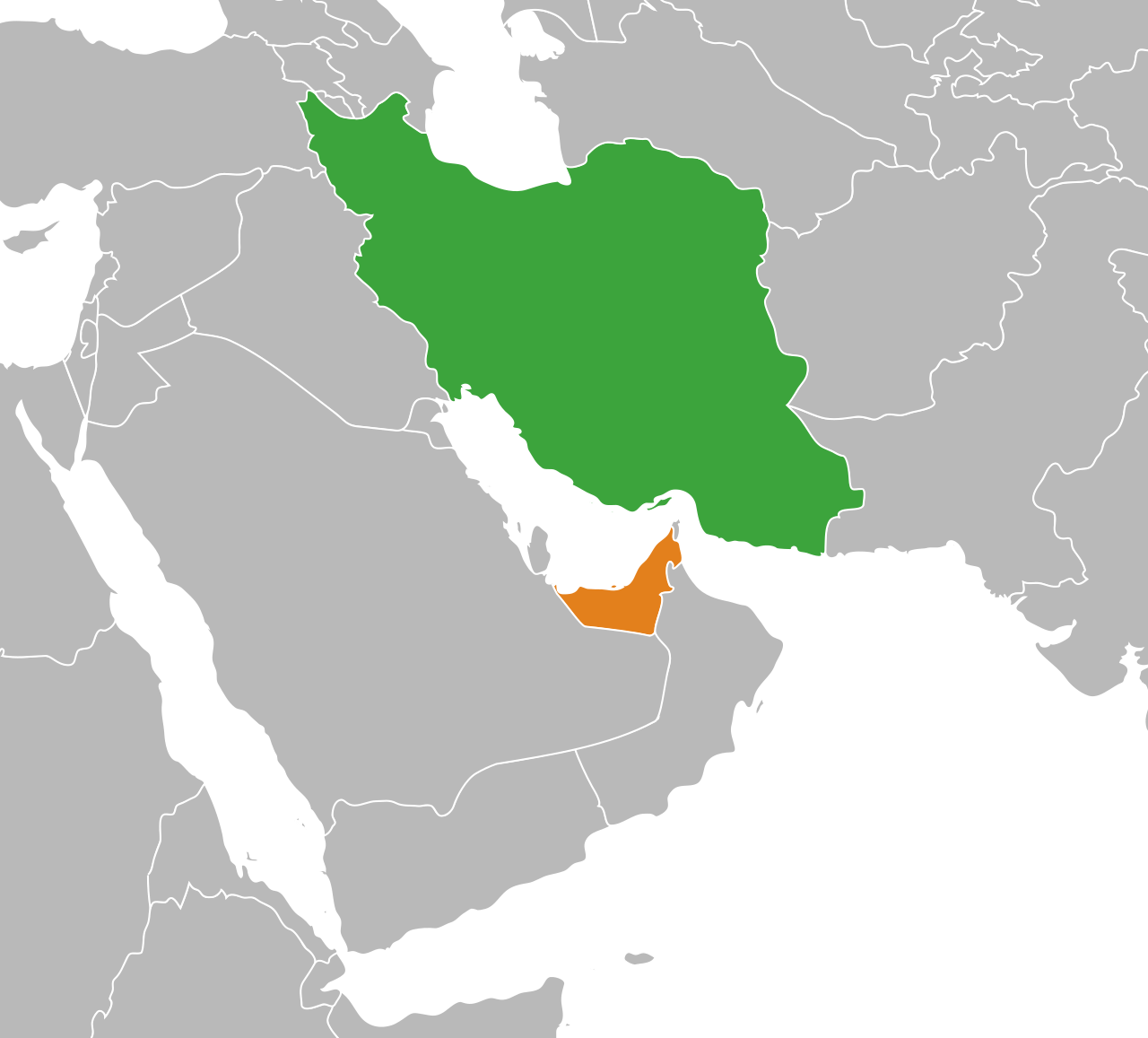
Is UAE an ally of Iran or a strategic hedger?
The UAE is not a treaty ally of Iran and does not treat Tehran as a reliable security partner. At the same time, Abu Dhabi does not pursue a pure containment model either. Instead, Emirati policy blends deterrence with selective engagement: maintain military readiness and external partnerships on one track while protecting commercial channels and diplomatic communication on another. This is why headlines can look contradictory week to week yet still fit a coherent policy logic.
In alliance terms, the UAE's core security architecture remains anchored to external balancing. It relies heavily on U.S. defense ties, GCC security consultation, and growing interoperability with partners that can help with missile defense, intelligence sharing, and maritime domain awareness. Those choices are difficult to reconcile with any claim that Iran is a strategic ally. However, in economic and logistical terms, the UAE has long served as a regional trade and finance node that interacts with multiple rival blocs at once. That commercial architecture incentivizes managed coexistence with Tehran even during periods of sharp political tension.
Analytically, the best framework is to score the relationship by sector rather than force a binary label. The UAE and Iran can display limited cooperation in shipping, consular, and business channels while simultaneously sitting on opposing sides of regional security calculations. That pattern is similar to what appears in this site's other bilateral assessments, including Is Oman an ally of Iran and Is Saudi Arabia an ally of Iran, where issue-area fragmentation matters more than rhetoric alone.
| Sector | Current pattern | Alliance signal |
|---|---|---|
| Defense and deterrence | External balancing with US/GCC partners. | Low alignment with Iran. |
| Trade and logistics | Persistent transactional channels. | Selective coexistence, not alliance. |
| Diplomatic messaging | Periodic outreach plus firm red lines. | Hedging posture. |
| Maritime risk management | Deconfliction incentives in Gulf waterways. | Pragmatic contact under mistrust. |
How does UAE security policy toward Iran actually work?
Security behavior provides the clearest answer to the question is UAE an ally of Iran. Abu Dhabi's defense planning treats Iranian missile and drone capacity as a real threat variable, particularly when regional crises increase the probability of spillover attacks on Gulf infrastructure. That threat perception drives investment in layered missile defense, air surveillance, and rapid base-protection protocols. A state does not build that architecture against a country it views as a dependable ally.
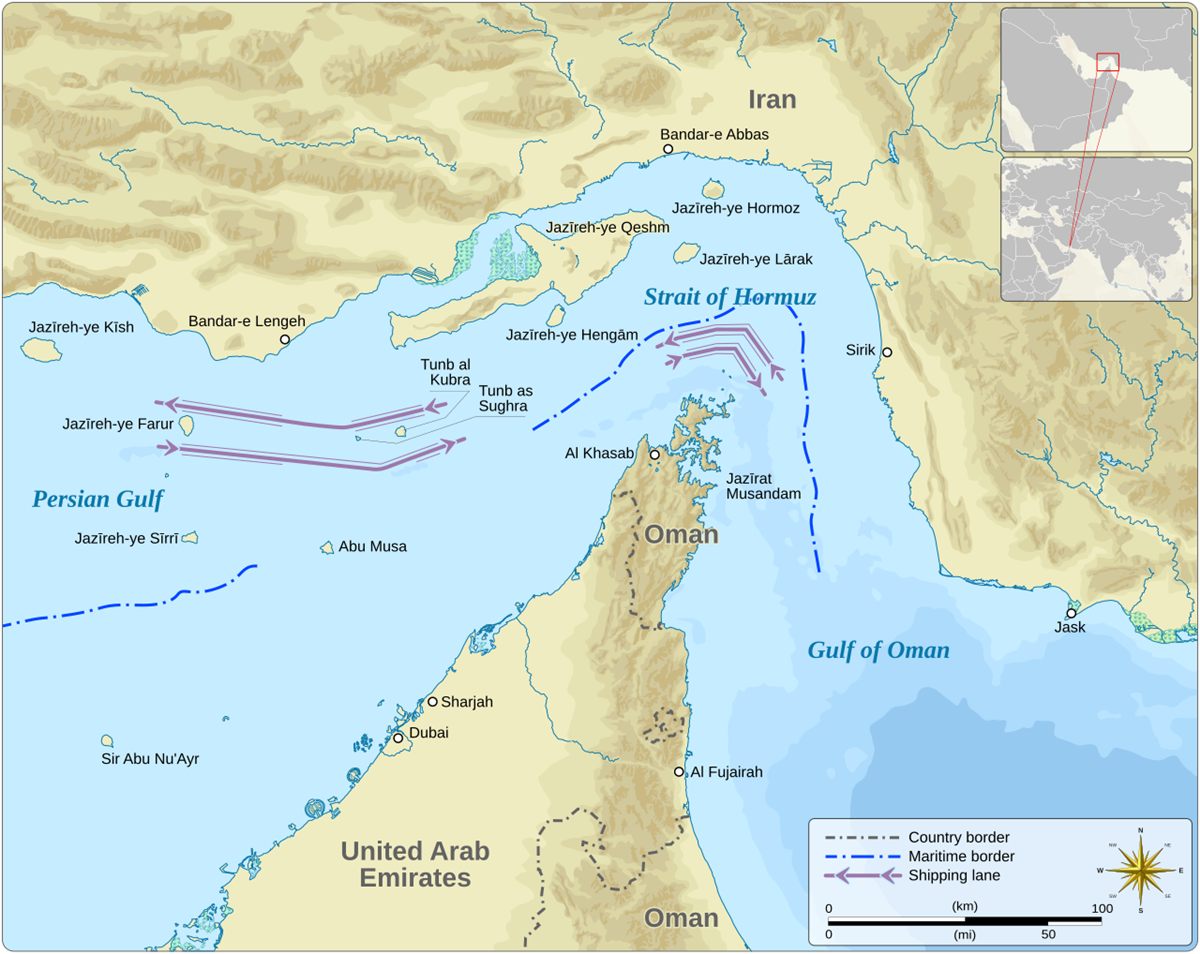
The UAE's security posture is also shaped by geographic exposure. The country sits close to key maritime and air corridors that can become contested during escalation cycles. As a result, Emirati defense planners emphasize deterrence credibility and redundancy. The operational aim is to keep energy, aviation, and logistics systems functioning under stress while signaling that attacks will not produce easy coercive gains. This deterrence logic links directly to analysis in the Strait of Hormuz map briefing and the US base posture map, both of which show how geography and force posture interact.
Why defense cooperation and diplomacy coexist
A common misconception is that diplomatic contact with Iran proves strategic trust. In Gulf politics, contact often serves risk control rather than partnership. The UAE keeps channels open because miscalculation in the Gulf can disrupt shipping, aviation, and investor confidence within hours. The same leadership can therefore engage diplomatically while expanding deterrence coordination. Those are not mutually exclusive policies; they are the core mechanics of strategic hedging.
From a planning perspective, the UAE's objective is to avoid two extremes: uncontrolled confrontation and naive dependence on goodwill. That middle path explains why policy appears flexible in tone but consistent in structure. It also explains why analysts should focus on measurable behavior such as force deployments, interception activity, and multilateral statements rather than symbolic meeting photos alone.
Why does UAE trade with Iran despite security mistrust?
UAE-Iran trade ties persist because geography and commerce are sticky. The Emirates, especially Dubai, functions as a regional hub where shipping routes, re-export markets, and financial services connect South Asia, the Gulf, and broader Middle East demand centers. Iran's proximity and market needs naturally pull part of that commerce through Emirati channels, even when sanctions pressure and political disputes reduce volume. Economic contact in this context is often transactional risk management, not political alignment.
The key analytical distinction is between interdependence and alliance. Interdependence means both sides have incentives to keep certain channels functional because disruption is costly. Alliance means both sides share strategic objectives and defense commitments. UAE policy toward Iran generally satisfies the first condition, not the second. During high-tension periods, the UAE can tighten enforcement, adjust compliance posture, and coordinate with Western partners while still preserving narrow commercial pathways that support domestic economic stability.
This is also why business indicators can diverge from security indicators. Trade volumes might stabilize or recover while defense rhetoric hardens. Rather than treating that as policy incoherence, analysts should view it as evidence of segmented statecraft: the UAE seeks to protect growth and logistics credibility while reducing vulnerability to coercion. The same segmented logic appears in the site's China-Iran assessment, where economic exchange coexists with strategic limits.
| Economic channel | Why it matters | What it does not imply |
|---|---|---|
| Re-export and logistics services | Supports regional trade continuity. | No shared defense doctrine. |
| Commercial finance interfaces | Facilitates cross-border transactions under compliance constraints. | No political trust guarantee. |
| Shipping and port connectivity | Reduces supply friction in a proximity-driven market. | No support for Iranian regional strategy. |
How do Abu Musa and the Tunb islands shape UAE-Iran relations?
The Abu Musa and Greater/Lesser Tunb dispute remains one of the most durable structural constraints on UAE-Iran trust. Even when diplomatic tone improves, sovereignty claims and maritime signaling around these islands preserve a baseline of strategic caution in Abu Dhabi. For long-run analysis, this dispute matters because it institutionalizes mistrust across generations of policymakers, not just within one crisis cycle.
Maritime geography amplifies that mistrust. The islands sit near vital shipping approaches linked to Gulf energy and container flows. In practical terms, every uptick in regional tension reactivates concern that maritime frictions could cascade into insurance shocks, route adjustments, or security incidents. That is why Emirati officials often pair de-escalation language with explicit references to sovereignty and international law. The messaging is calibrated: keep trade flowing, avoid accidental escalation, and maintain legal claims.
Dispute persistence versus escalation management
A persistent dispute does not automatically produce daily confrontation. Most of the time, both sides manage the issue within a broader framework of controlled competition. However, the dispute limits how far any political rapprochement can go. It also sets a floor under Emirati demand for outside security guarantees. In other words, even if short-term diplomacy improves, the islands question keeps strategic convergence with Iran unlikely.
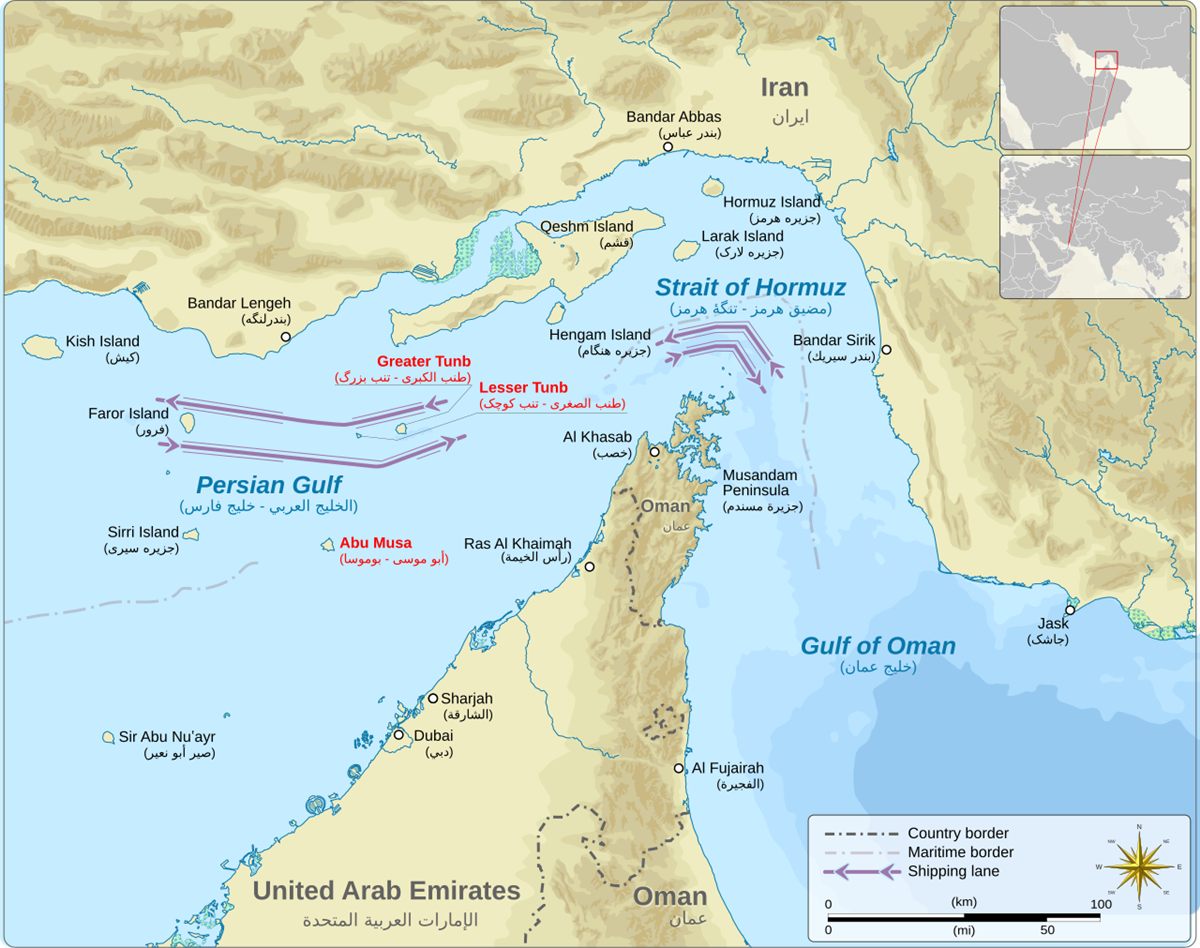
For readers tracking maritime risk indicators, this section connects to the Persian Gulf map guide and the Gulf of Aden routing analysis. Together they show how localized sovereignty disputes can propagate through broader shipping and insurance systems.
Did recent crisis behavior move the UAE closer to or farther from Iran?
Crisis behavior is the strongest real-world test of alignment. When direct military risk rises, states reveal who they trust for survival and who they contact for damage limitation. In the UAE-Iran case, crisis patterns generally show defensive consolidation with external security partners, combined with targeted diplomatic channels to reduce miscalculation. That profile points toward managed rivalry, not alliance transition.
Another key point is sequencing. In fast-moving crises, security decisions occur first and commercial adjustments follow. If Emirati air defense activates and regional military coordination intensifies, that is the primary strategic signal. Later trade normalization or diplomatic calls may help restore stability but do not erase the security baseline revealed during the acute phase. Analysts who reverse this sequence often overread post-crisis economic recovery as evidence of deep political convergence.
This dynamic also affects domestic risk management. The UAE's policy priority is to protect civil aviation, port throughput, and investor confidence under uncertainty. That objective rewards predictable deterrence and rapid coordination with partners capable of high-end interception and intelligence support. It does not reward dependence on Iranian restraint. For that reason, crisis outcomes repeatedly pull policy back toward balancing behavior even when diplomacy resumes afterward.
In Gulf statecraft, the best predictor of alignment is not peacetime rhetoric but wartime logistics, air defense behavior, and coalition response patterns.
| Crisis-phase signal | Observed policy direction | Implication for alliance question |
|---|---|---|
| Air and missile defense mobilization | Coordination with external defense partners. | Indicates low strategic trust in Iran. |
| Emergency diplomatic messaging | Calls for de-escalation and channel maintenance. | Shows pragmatic risk control, not alliance. |
| Post-crisis trade stabilization | Selective reopening of commercial bandwidth. | Reflects economic necessity, not strategic alignment. |
Sector scorecard: where the UAE aligns, hedges, and deters
A scorecard approach makes the phrase is uae an ally of iran easier to answer with precision. Instead of one binary label, assign direction by domain: defense, intelligence, economics, diplomacy, and maritime operations. When that method is applied consistently, the relationship looks like a defensive hedge with limited transactional overlap rather than a partnership bloc.
Defense and intelligence: deterrence first
Defense posture remains oriented toward deterrence and resilience against Iranian pressure options, including missile, drone, cyber, and maritime disruption pathways. That aligns with themes in the critical infrastructure cyber threat briefing and missile range map analysis, where regional risk is modeled as multi-domain and fast-moving.
Economics and logistics: selective overlap
Commercial overlap persists because both sides benefit from reduced friction in specific channels. Yet these benefits are bounded by sanctions compliance and geopolitical risk management. The UAE's objective is to capture trade efficiency without importing strategic dependency.
Diplomacy: controlled communication under rivalry
Diplomatic engagement serves crisis management and signaling, especially when regional incident risk rises. It should be interpreted as stability maintenance behavior. It should not be interpreted as endorsement of Iran's regional security agenda.
| Domain | Current state | Direction |
|---|---|---|
| Defense integration | High external alignment, low Iran trust. | Deter |
| Trade interface | Functional but compliance-constrained. | Hedge |
| Diplomatic contact | Periodic and tactical. | Hedge |
| Maritime sovereignty issues | Persistent dispute baseline. | Deter |
| Regional conflict posture | Risk-reduction messaging plus readiness. | Deter with deconfliction |
What indicators should analysts monitor over the next 12 months?
The relationship can shift at the margin even if the core structure stays stable. To track that movement, monitor clusters rather than single events. First, watch maritime signaling near disputed islands and major shipping corridors. Second, watch enforcement behavior around sanctions-sensitive trade. Third, track frequency and level of official bilateral visits. Fourth, track defense interoperability with non-Iran partners. Direction is clearer when at least three of these move in the same direction.
Signal quality also improves when paired with timeline context. A diplomatic meeting during a calm quarter may carry limited strategic meaning. The same meeting immediately after military incidents can be more significant as a deconfliction instrument. Similarly, one commercial headline does not outweigh persistent defense investments that reflect longer planning horizons.
The most reliable forward indicator is whether the UAE increases or reduces its tolerance for strategic ambiguity. If Abu Dhabi continues tightening defense interoperability and legal messaging on sovereignty while preserving narrow trade channels, the current hedge model remains intact. If those pillars move together toward deeper political trust, then analysts could revisit the alliance question. At present, evidence still points to managed rivalry plus transactional coexistence.
FAQ: Is UAE an ally of Iran?
Is UAE an ally of Iran or a strategic hedger?
The UAE is better described as a strategic hedger than a formal ally. It preserves practical channels with Iran while relying on external defense partnerships to deter coercion and absorb crisis shocks.
Why does UAE trade with Iran despite tensions?
Geography and logistics economics keep some trade channels active, especially through hub-based commerce. Those flows reflect transactional necessity and do not imply shared security objectives.
How important are Abu Musa and the Tunb islands?
The islands dispute is a core trust constraint and a recurring maritime flashpoint. It is one of the main reasons UAE policy remains cautious even when diplomatic tone improves.
Did recent crises move UAE away from Iran?
Crisis behavior reinforced deterrence coordination with non-Iran partners while preserving limited communication channels with Tehran. That pattern is consistent with rivalry management, not alliance deepening.
What should readers track to judge policy change?
Track maritime incidents, sanctions-enforcement patterns, high-level bilateral engagement, and defense cooperation trends. Cross-domain movement matters more than any single headline.