What are Iran sanctions and what do they target?
Iran sanctions are legal restrictions used to pressure the Iranian state and affiliated actors by limiting access to finance, markets, technology, weapons procurement, shipping services, and international legitimacy. They are not one rule. They are a stack of executive orders, statutes, regulations, list-based designations, sectoral restrictions, licensing rules, and international measures. That stack is why a transaction can look ordinary at the business level but become restricted once the counterparty, cargo, vessel, bank, owner, insurer, or end use is checked.
The policy goals are also layered. U.S. authorities typically cite nuclear proliferation, ballistic missile development, support for armed partners, terrorism designations, cyber activity, human rights abuses, and sanctions evasion. European and United Nations measures have their own legal bases and political triggers. For analysts, the useful question is not simply "is Iran sanctioned?" It is which channel is being targeted, which actors are exposed, and whether enforcement is symbolic, selective, or operationally disruptive.
The practical effect is strongest where sanctions intersect with chokepoints in global commerce. Banks need correspondent relationships. Tankers need insurance, classification, flags, ports, and buyers. Manufacturers need components, software, and payment rails. When sanctions pressure several of those nodes at once, Iran faces higher costs even if it finds workarounds. That logic connects this page to our Iran oil production and Strait of Hormuz risk briefing and the Iran nuclear program status reference.
| Sanctions target | Common mechanism | What analysts should watch |
|---|---|---|
| Government and designated entities | Asset blocking and transaction bans. | New SDN listings, ownership links, and delistings. |
| Oil and petrochemicals | Buyer, shipping, insurer, and payment pressure. | Export volumes, discounts, tanker behavior, and waivers. |
| Banks and finance | Restrictions on access to dollar clearing and foreign institutions. | Payment routes, exchange houses, and correspondent-bank risk. |
| Procurement networks | Designations tied to dual-use goods, drones, missiles, and components. | Front companies, transit hubs, and end-use red flags. |
How do U.S., UN, and partner sanctions layers differ?
The U.S. sanctions stack is the most consequential for most businesses because it combines primary restrictions on U.S. persons with secondary sanctions that can reach non-U.S. companies. Primary sanctions generally tell U.S. persons and U.S.-linked systems what they cannot do without authorization. Secondary sanctions raise the cost for foreign firms, banks, refiners, shippers, and insurers that support targeted Iranian activity even when the transaction has no direct U.S. party.
United Nations measures are narrower but politically important. They create multilateral legitimacy, define nuclear-related expectations, and shape how other governments justify domestic restrictions. European, Canadian, Australian, and other partner sanctions can add human rights, drone, cyber, and proliferation layers. A company assessing risk therefore needs to ask four questions: whose law applies, where payment touches, which parties are named, and whether a sector or end use is restricted even if the buyer is not listed.
Primary sanctions versus secondary sanctions
The distinction matters because it determines who is directly prohibited and who is indirectly exposed. A U.S. bank normally cannot process a restricted Iran-related transaction just because the client says the commercial purpose is ordinary. A foreign bank might not be directly prohibited by the same rule, but it may still avoid the transaction if the activity risks U.S. penalties, loss of correspondent access, or designation. That fear-driven overcompliance is part of sanctions impact.
OFAC's public Iran sanctions page is the central starting point for legal authorities, general licenses, advisories, FAQs, and recent actions. The Congressional Research Service overview is useful for understanding how Congress and successive administrations have built the sanctions architecture over time. Those sources show why sanctions policy changes through both headline decisions and technical updates that affect licensing, wind-down periods, and designated-party lists.
Why do oil and banking sanctions matter most?
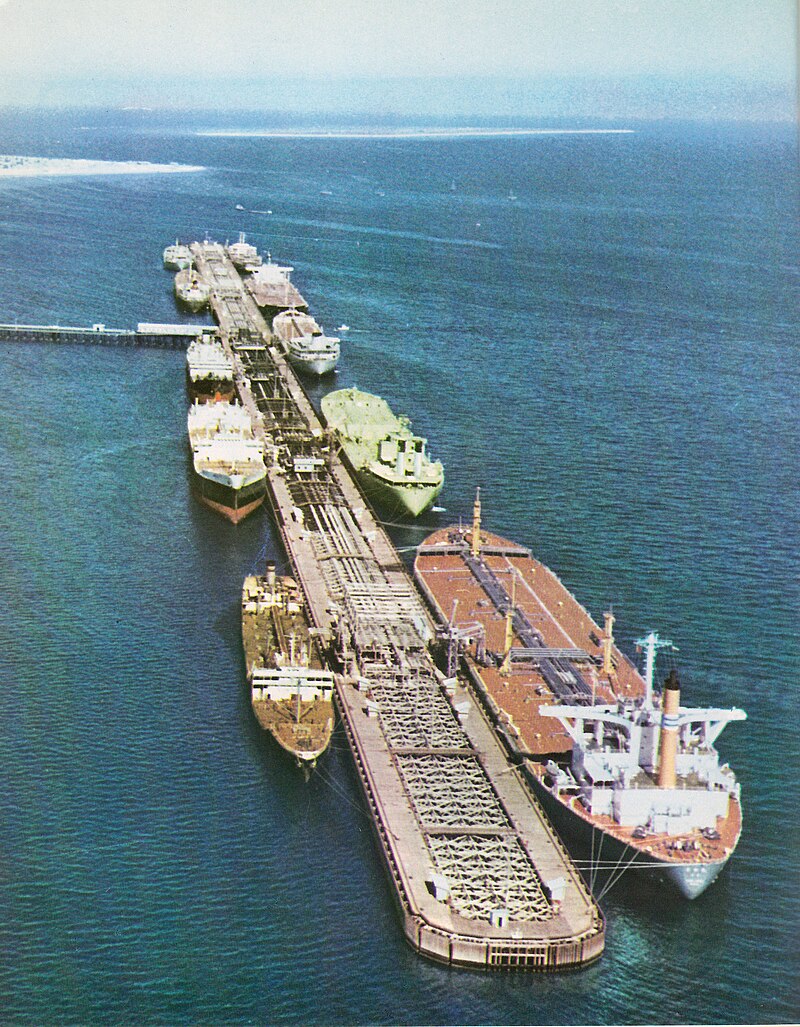
Oil and banking sanctions matter because they target revenue and convertibility. Iran can have barrels, buyers, and production capacity, but sanctions change how easily barrels become spendable money. If buyers demand steep discounts, insurers step back, banks refuse payment, or tankers need opaque routing, the transaction may still happen while generating less reliable state revenue. This is why oil volume alone is an incomplete measure of sanctions pain.
Banking restrictions amplify that effect. A sale is more valuable when proceeds can be used flexibly for imports, currency defense, procurement, or budget support. If revenue is trapped in restricted accounts, routed through barter, or converted through high-cost exchange networks, the state faces friction even when export numbers look resilient. This is also why sanctions enforcement often focuses on exchange houses, shadow banking systems, front companies, and financial facilitators rather than only on oil buyers.
Energy data should be read with caution because sanctions encourage concealment. Tanker tracking, destination labels, ship-to-ship transfers, flag changes, and "unknown" destinations can obscure flows. The U.S. Energy Information Administration's Iran country material provides a baseline for production capacity, sanctions constraints, and export patterns, but analysts should supplement official data with shipping behavior and policy changes. The better question is not simply "how much oil did Iran sell?" but "how much net value did Iran capture, and how usable was the revenue?"
| Pressure point | How it works | Sanctions signal |
|---|---|---|
| Crude buyers | Discounts compensate buyers for legal and political risk. | Wider discounts imply tougher enforcement or weaker buyer competition. |
| Insurance and classification | Maritime services become harder to obtain for high-risk vessels. | More opaque shipping behavior and older tanker use. |
| Payment channels | Funds move through restricted accounts, barter, or exchange networks. | More facilitator designations and compliance alerts. |
| Procurement spillover | Oil revenue supports imports and strategic programs when usable. | New designations tied to missiles, drones, or dual-use goods. |
Do Iran sanctions block food, medicine, and humanitarian trade?
Iran sanctions do not function as a simple ban on humanitarian goods. U.S. rules generally preserve channels for agricultural commodities, medicine, medical devices, some communications tools, nongovernmental organization activity, and other licensed or exempt categories. The hard part is not always legal permission. It is execution. Banks, insurers, logistics firms, and suppliers may avoid even authorized trade if they cannot verify counterparties, payment paths, or end users with confidence.
This distinction matters for public debate. A legal exemption does not automatically create a working market. If a humanitarian supplier needs a bank willing to process payment, an insurer willing to cover shipment, and a distributor willing to certify end use, each compliance gate can slow or block delivery. That is why sanctions analysis should separate formal legal scope from practical availability. Humanitarian friction can exist even when policymakers say food and medicine are carved out.
The same logic applies to internet freedom and civil-society permissions. Certain software, connectivity, publishing, education, or NGO services may be authorized, but service providers still need to interpret the rule and screen counterparties. For readers tracking domestic stability and information controls, this connects to our Iran protests analysis and the Iran cyber attacks on critical infrastructure briefing.
Humanitarian exemptions reduce legal barriers, but they do not eliminate compliance friction across banks, logistics, insurers, and local distributors.
| Category | Common status | Practical bottleneck |
|---|---|---|
| Food and agricultural goods | Often exempt or licensable. | Payment and counterparty screening. |
| Medicine and medical devices | Often authorized through humanitarian channels. | Bank risk appetite, documentation, and shipping services. |
| Internet and communications tools | Often covered by specific authorizations. | Platform compliance and distribution restrictions. |
| NGO and civil-society support | Can be covered by general or specific licenses. | Scope limits and local partner verification. |
How does Iran evade sanctions and how does enforcement respond?
Iranian sanctions evasion is best understood as a logistics and finance adaptation system. Common patterns include front companies, renamed vessels, flag changes, opaque ownership chains, ship-to-ship transfers, falsified documents, transshipment through third countries, exchange-house networks, barter arrangements, and buyers willing to accept sanctions exposure. None of these methods makes sanctions irrelevant. They raise operating costs, lower transparency, and create new points where enforcement can intervene.
Enforcement responds through designations, advisories, civil penalties, criminal cases, seizures, compliance alerts, and pressure on third-country facilitators. When enforcement is intense, evasive networks become more expensive and brittle. When enforcement is uneven, networks adapt and develop routines. This creates a moving contest: regulators map the network, facilitators change routes, and risk shifts across ports, banks, insurers, brokers, and end users.
The most useful indicator is not the number of sanctions announcements alone. Watch whether designations hit connected nodes in the same chain. If a tanker owner, broker, exchange house, refinery, and procurement company are all targeted in a short period, enforcement is trying to disrupt a system rather than just send a signal. If actions are isolated, the effect may be more reputational than operational.
What would sanctions relief or snapback change?
Sanctions relief matters only when it changes actual transaction confidence. A narrow license can authorize a specific activity without convincing banks, insurers, and buyers that the broader risk is gone. A major diplomatic deal can change behavior faster if it restores clear banking channels, reduces secondary-sanctions exposure, and gives commercial actors durable assurance that transactions will not be reversed before contracts settle. The market response therefore depends on credibility and duration, not only on the words "relief" or "waiver."
Snapback works in the opposite direction. It signals that previously eased or terminated restrictions are returning, usually because diplomacy has failed or compliance disputes escalated. The immediate commercial effect is often uncertainty before the final legal details are fully operational. Banks and shippers may pause activity early because they do not want cargoes, payments, or insurance policies caught in transition. This anticipatory behavior can create real economic effects before every sanction is technically in force.
For nuclear diplomacy, sanctions relief is one of the central bargaining tools. Iran seeks access to revenue, finance, investment, and trade normalization; the United States and partners seek limits, verification, or behavior changes. Our nuclear Iran talks guide explains why sequencing matters: sanctions relief offered too early can reduce leverage, while relief offered too late can make a deal politically unusable for Tehran.
| Policy move | Most important commercial test | Likely first indicator |
|---|---|---|
| Narrow general license | Does it cover the full payment and service chain? | Limited transactions resume in defined categories. |
| Oil waiver or enforcement pause | Do buyers believe secondary-sanctions risk is reduced? | Higher cargo scheduling and narrower discounts. |
| Major sanctions relief | Do banks and insurers re-enter at scale? | Cleaner payment routes and broader contract tenor. |
| Snapback or reimposition | Do counterparties exit before deadlines? | Delayed cargoes, frozen contracts, and compliance notices. |
What indicators should analysts track in 2026?
A useful Iran sanctions dashboard should combine legal, commercial, maritime, financial, and diplomatic signals. Legal signals include executive orders, OFAC FAQs, general licenses, designations, delistings, and enforcement actions. Commercial signals include oil discounts, contract duration, trade-credit terms, and insurance availability. Maritime signals include dark activity, ship-to-ship transfers, flag changes, and port calls. Financial signals include exchange-rate stress, blocked funds, correspondent-bank caution, and new shadow-banking designations.
The strongest warning pattern is convergence. If new designations hit oil facilitators, tanker behavior becomes more opaque, banks tighten risk scoring, and diplomatic talks stall, sanctions pressure is likely increasing in a way that can affect Iran's fiscal position. If designations continue but buyers re-enter, discounts narrow, and waivers expand, sanctions pressure may be present legally but weaker operationally. Analysts should avoid reading a single announcement as proof of full economic effect.
Finally, link sanctions indicators to security behavior. Financial pressure can constrain resources, but it can also incentivize escalation, smuggling, cyber activity, or proxy signaling. That is why sanctions monitoring should be paired with the Iran proxy groups in Middle East network map, the Iran missile range map, and the US-Iran-Israel triangle strategy briefing. Sanctions are economic tools, but their risk effects are geopolitical.
| Weekly indicator | Rising-pressure signal | Easing-pressure signal |
|---|---|---|
| OFAC actions | Clustered designations across banks, vessels, brokers, and buyers. | Licenses, delistings, or longer wind-down periods. |
| Oil trade | Wider discounts, delayed liftings, or more opaque routing. | More regular cargoes, cleaner routes, and lower discounts. |
| Banking behavior | More refused payments and conservative compliance guidance. | More willing correspondent and trade-finance channels. |
| Diplomacy | Talks stall while enforcement escalates. | Sequenced waivers tied to verifiable steps. |
FAQ: Iran sanctions explained
What are Iran sanctions and what do they target?
Iran sanctions are legal restrictions aimed at changing or constraining Iranian government behavior by limiting access to money, markets, technology, shipping, weapons procurement, and designated individuals or entities. They target different channels, so a useful analysis checks the party, sector, end use, payment route, vessel, and legal authority.
How do secondary sanctions on Iran work?
Secondary sanctions threaten non-U.S. firms or banks with penalties if they support targeted Iranian sectors, people, vessels, or transactions. They are powerful because many global companies need U.S. dollar access, U.S. banks, U.S. technology, or U.S. market exposure.
Do Iran sanctions block food and medicine?
U.S. rules generally preserve humanitarian channels for agricultural goods, medicine, and medical devices, but payments, banks, insurers, and counterparties can still create practical friction. That is why legal authorization and real delivery capacity should be analyzed separately.
Can Iran still sell oil under sanctions?
Yes, Iran can still move oil through discounted sales, opaque shipping, ship-to-ship transfers, and buyers willing to accept sanctions risk. The key question is how much usable revenue Iran captures after discounts, payment friction, and enforcement costs.
What would sanctions relief or snapback change?
Sanctions relief would matter most if it restored reliable banking, insurance, shipping, and oil-sale channels; snapback would move the system in the opposite direction by widening legal and diplomatic pressure. Markets react to credibility, timing, and enforcement details.