
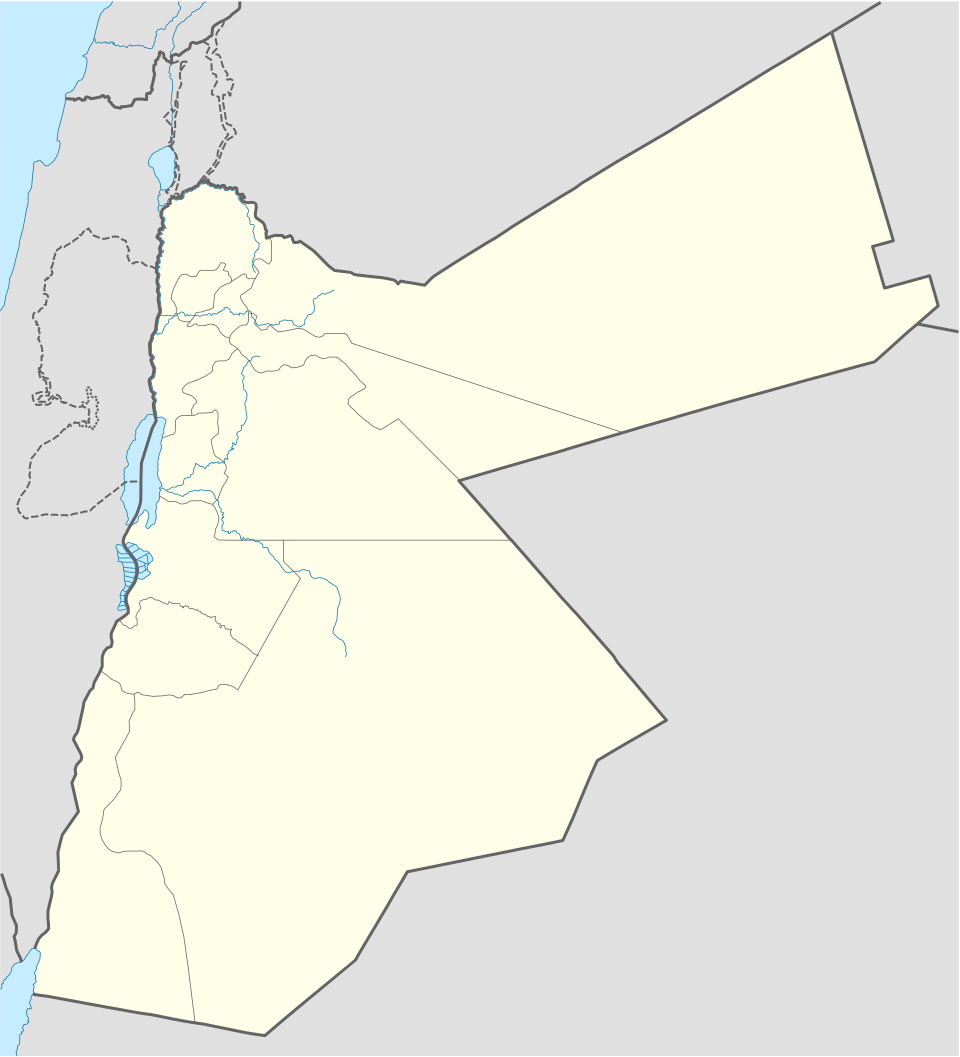
Is Jordan an ally of Iran or a balancing state?
Jordan is not a treaty ally of Iran and does not treat Tehran as a dependable strategic guarantor. The kingdom's core defense behavior shows external balancing through the United States and close consultation with Gulf partners, while diplomatic communication with Iran remains tactical and limited. In practice, this is a balancing-state profile: maintain enough contact to prevent miscalculation, but preserve deterrence and policy distance where security interests diverge. That distinction is important because short diplomatic episodes can look cooperative without changing long-term strategic alignment.
A rigorous answer requires sector-level analysis. If you isolate one indicator such as a bilateral meeting, you can overstate convergence. If you isolate one hostile speech, you can miss deconfliction incentives. The better method is to compare signals across defense, border pressure, economics, and diplomacy. On defense and border security, Jordan behaves as a state hedging against Iranian-backed risk. On diplomacy and commerce, it keeps communication channels that reduce regional shock probability. That mixed profile is not contradiction; it is deliberate risk management in a crowded threat environment.
Jordan's political leadership has long prioritized regime stability, border integrity, and domestic economic resilience. Those priorities reward calibrated foreign policy, but they do not erase threat perception. When crises spike, Jordan's operational behavior tends to converge with US and partner security logic, not with Iranian strategic goals. This is why cross-page comparisons on this site, including is saudi arabia an ally of iran and is oman an ally of iran, repeatedly show the same pattern: communication is possible without alliance identity.
| Domain | Observed Jordan posture | Alliance reading |
|---|---|---|
| Defense architecture | US-linked and partner-integrated. | Not aligned with Iran. |
| Border and proxy pressure | Persistent vigilance and interdiction focus. | Deterrence orientation. |
| Diplomatic channel | Open but limited, especially in crises. | Deconfliction, not trust. |
| Trade contact | Selective and constrained. | Transactional, not strategic. |
How does Jordan's US security cooperation shape Iran policy?
Jordan's security posture is the strongest empirical reason the answer to is jordan an ally of iran remains no. Defense planning in Amman is closely connected to US military cooperation, intelligence exchange, and force-readiness support. Official US policy references continue to frame Jordan as a central regional partner for stability and counterterrorism, which anchors Jordan's strategic assumptions on deterrence and interoperability. That institutional architecture discourages policy moves that would place Jordan inside Iran-centered security logic.
In operational terms, Jordan's risk model focuses on spillover rather than direct conventional war: missile and drone threat trajectories, militia-linked pressure, and border destabilization paths across nearby theaters. A government that allocates resources around these risks is not moving toward alliance with the actor perceived as enabling parts of that pressure ecosystem. Instead, it is preserving defensive depth and crisis flexibility. The strategic objective is continuity under stress: protect airspace, keep borders controlled, and minimize economic panic during regional escalation windows.
Why diplomacy can coexist with deterrence
Diplomatic contact with Iran often creates confusion in outside commentary. In Jordan's case, contact is best understood as a de-escalation safety valve. Open channels reduce accidental escalation risk and support message transmission during fast-moving events. But the presence of communication does not reverse the underlying defense baseline. As long as force posture, intelligence priorities, and partner coordination remain externally anchored, Jordan's strategic center of gravity stays outside Iran's alignment structure.
For readers tracking military context, this logic complements the broader theater perspective in map us military bases middle east and us-iran-israel triangle strategy. Both show why regional states can combine diplomatic pragmatism with hard balancing when they face multi-domain threats.
How do Syria-border pressures affect Jordan-Iran relations?
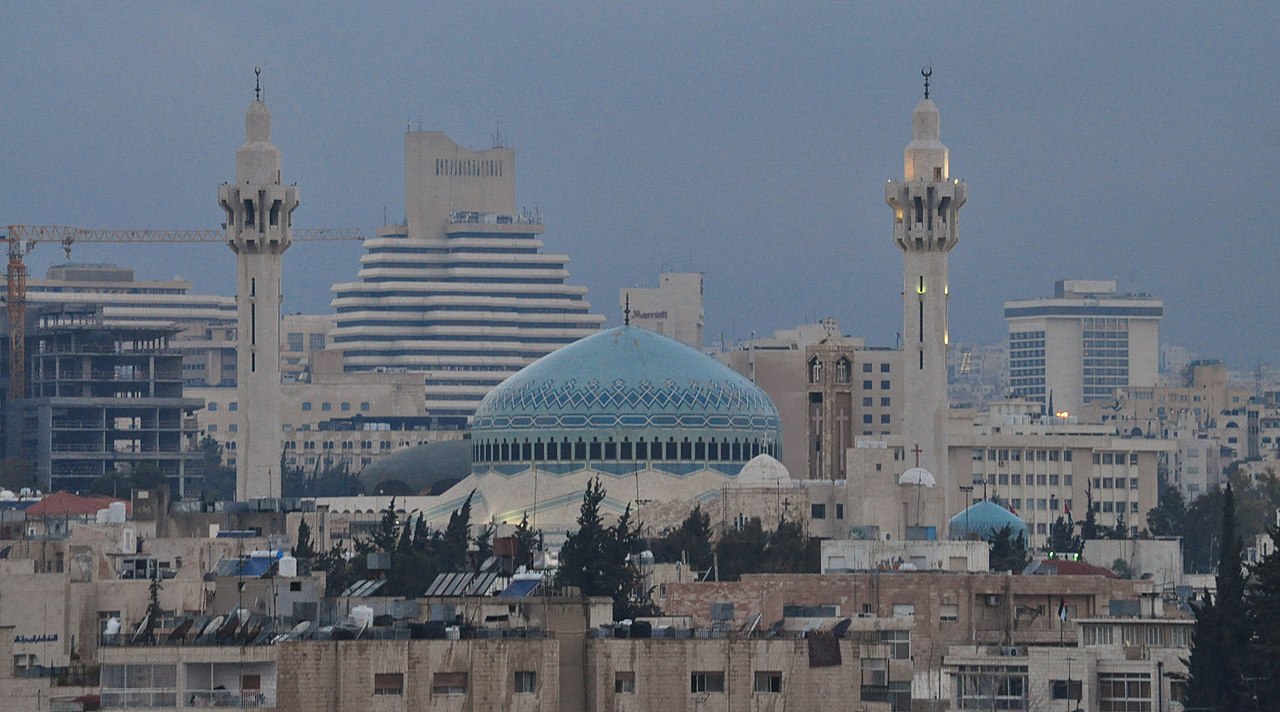
Border dynamics are central to jordan iran relations because Jordan's immediate exposure is not abstract geopolitics; it is daily security management along unstable corridors. Jordan has repeatedly emphasized concerns over cross-border trafficking, militia activity, and smuggling networks tied to northern theater volatility. These pressures absorb security bandwidth and reinforce demand for rapid intelligence coordination. Under those conditions, policymakers prioritize deterrence and border control over political experimentation.
The key analytical point is that proxy-enabled pressure changes alliance calculus faster than diplomatic atmospherics do. If border incidents rise, Jordan's response usually tightens operational cooperation with trusted partners and raises defensive readiness. If border conditions ease, diplomatic tone may improve, but the structural security architecture does not automatically shift. This asymmetry explains why relationship narratives can look mixed: high-level rhetoric may cool while field-level threat management remains intense.
Readers can map this pressure logic to the network model in iran proxy groups in middle east. The page shows how deniable actors, logistics corridors, and escalation signaling produce persistent uncertainty for neighboring states. Jordan's policy toward Iran must therefore be read through threat transmission pathways, not only bilateral statements.
| Indicator | What to measure | Interpretation |
|---|---|---|
| Interdiction tempo | Frequency of anti-smuggling operations. | Higher tempo implies elevated pressure. |
| Cross-border incident reports | Drone, fire, or infiltration events. | Pushes policy toward deterrence. |
| Security coordination announcements | Joint exercises and intelligence meetings. | Confirms balancing posture. |
Because these are operational variables, they should be weighted more heavily than symbolic diplomacy when assessing alliance direction. A rise in border incidents can erase months of rhetorical thaw in a single week. Conversely, stable borders can support dialogue without changing structural mistrust. This is why robust analysis should rank field data over headline tone.
Does Jordan trade with Iran despite tensions?
Jordan does trade with Iran in limited channels, and it maintains diplomatic ties, but those facts alone do not indicate strategic alignment. Commercial activity is constrained by compliance realities, market size, and Jordan's broader economic orientation toward Gulf and Western systems. In practice, the relationship is selective and transactional. States often preserve such channels to reduce friction and preserve optionality, especially when total disengagement would create avoidable costs.
To avoid analytical error, separate three layers: diplomatic functionality, economic contact, and defense alignment. Jordan and Iran can sustain the first two without shifting the third. During stress periods, Jordan can tighten enforcement and coordination with partners while still preserving communication lines to prevent escalation. This segmented behavior is normal in the region and does not imply policy incoherence. It reflects prioritization: security first, then economic stabilization.
Economic pragmatism is also shaped by domestic resilience goals. Jordan needs predictable trade corridors, investor confidence, and energy stability. Policymakers therefore seek to minimize unnecessary confrontation while preserving deterrence credibility. This dual-track model mirrors broader regional practice and is visible in other country pages on this site, including is uae an ally of iran and is bahrain an ally of iran, where transactional overlap coexists with security distance.
Limited trade with a rival can be a risk-control mechanism, not an alliance signal.
| Channel | Why it persists | Why it is not alliance |
|---|---|---|
| Embassy-level contact | Supports crisis communication. | No shared defense commitments. |
| Selective commerce | Reduces friction in niche flows. | Scale remains limited and reversible. |
| Regional diplomatic forums | Enables de-escalation messages. | Procedural contact, not strategic unity. |
How do Gulf relationships influence Jordan's Iran strategy?
Jordan's regional strategy is built on multi-vector ties, but its security center remains tied to partners that provide defense depth, economic support, and political coordination during crises. Gulf relationships matter because they affect fiscal stability, strategic signaling, and collective threat assessment. When Gulf-Iran tensions rise, Jordan's policy challenge is to avoid direct entanglement while preserving deterrence and domestic stability. That usually produces calibrated public messaging plus steady security coordination.
Mediation rhetoric can create an illusion of neutrality, yet mediation and alliance are different functions. Jordan can support dialogue in regional files while maintaining defensive assumptions about Iranian-backed network behavior near its borders. In fact, mediation often depends on having credible security backing; without deterrence, diplomatic flexibility shrinks. So the same policy that appears conciliatory on camera may still rest on hard balancing underneath.
This interaction between diplomacy and force posture is visible in broader map-based pages such as strait of hormuz on a map and persian gulf map, where local incidents can quickly trigger wider market and security effects. Jordan's approach is designed to absorb those shocks, not to realign with Iran.

What indicators should analysts monitor over the next 12 months?
Forecasting jordan iran relations requires a weighted indicator framework. The most reliable model tracks five signal groups: border-security events, proxy-network activity, high-level diplomacy, sanctions-compliance posture, and defense-cooperation tempo. None of these is sufficient alone. Together they show whether the relationship is stabilizing around controlled rivalry or moving toward sharper confrontation.
Border-security indicators should be prioritized because they reflect immediate threat conditions. A sudden increase in interdictions or cross-border incidents usually precedes changes in public messaging and alliance signaling. Diplomatic indicators should then be read in sequence: if meetings increase while security posture hardens, the likely explanation is deconfliction under stress, not strategic rapprochement. Economic indicators matter most when they imply structural change rather than temporary transaction spikes.
Authoritative baseline context is available from institutional references such as the US State Department country relationship profile, the World Bank Jordan overview, and strategic analysis catalogs at the Council on Foreign Relations. These sources help anchor trend interpretation while reducing overreliance on single-event media cycles.
The working conclusion for 2026 is stable: Jordan is likely to continue a balancing strategy that preserves diplomatic contact with Iran while reinforcing external deterrence links. A true alliance shift would require durable changes in defense behavior, not just rhetorical moderation. Until those structural markers move, the evidence supports managed rivalry with selective communication.
FAQ: Is Jordan an Ally of Iran?
Is Jordan an ally of Iran or a balancing state?
Jordan is a balancing state, not an ally of Iran. It keeps communication channels open while relying on US- and partner-linked deterrence structures.
Why does Jordan keep diplomatic ties with Iran?
Jordan uses diplomatic ties to reduce escalation risk and preserve crisis communication, especially when border pressure rises.
How does Jordan's US partnership shape Iran policy?
US security cooperation strengthens Jordan's intelligence, readiness, and deterrence posture, which limits alignment with Iran.
Does Jordan trade with Iran despite tensions?
Yes, but in limited channels. The scale and structure of this trade do not indicate strategic alliance behavior.
What indicators show Jordan-Iran ties are changing?
Track border incidents, proxy pressure, senior diplomacy, and defense-cooperation tempo together rather than in isolation.